What Does NDAA Compliant Mean? A Complete Guide to Section 889 Security Cameras
If you have been shopping for security cameras, access control systems, or network video recorders recently, you have likely seen the phrase NDAA compliant appearing on product listings. But what does it actually mean - and why should it matter to your purchasing decision, even if you are not a government agency?
This guide breaks down everything you need to know about NDAA compliance for surveillance equipment, who it applies to, and how to verify that the products you are buying meet the standard.
What Is the NDAA?
The National Defense Authorization Act (NDAA) is a piece of U.S. federal legislation passed annually that sets the budget and policies for the Department of Defense. Section 889 of the NDAA - added in the fiscal year 2019 version and expanded in 2020 - contains a critical provision that directly affects the security camera industry.
Section 889 prohibits U.S. federal agencies and federal contractors from purchasing, using, or operating telecommunications and video surveillance equipment from specific Chinese-owned manufacturers. The law also prohibits federal contractors from doing business with any company that uses such equipment in their operations.
Which Manufacturers Are Banned Under Section 889?
Section 889 specifically names five companies and their subsidiaries:
- Hikvision (Hangzhou Hikvision Digital Technology Co., Ltd.)
- Dahua (Dahua Technology Co., Ltd.)
- Huawei (Huawei Technologies Co., Ltd.)
- ZTE Corporation
- Hytera Communications
Hikvision and Dahua are the two most significant for the physical security industry. Together, they had historically dominated the global IP camera market. Their low price points and wide availability made them popular in many commercial and institutional settings - but the NDAA prohibition has driven a major shift in procurement practices across both the public and private sectors.
Who Does NDAA Compliance Apply To?
The NDAA prohibition is mandatory for:
- Federal government agencies - any department or agency of the U.S. federal government
- Federal contractors and subcontractors - any company that holds a federal contract, at any tier
- Grant recipients - organizations receiving federal financial assistance or grants
This means the law affects a much broader audience than just direct government buyers. If your company bids on federal contracts, receives federal grants, or operates as a subcontractor to a prime contractor with federal business, you are likely subject to Section 889 requirements.
Private-sector companies with no federal ties are not legally required to comply - but many are choosing NDAA-compliant equipment anyway, for two reasons: to protect their ability to pursue government contracts in the future, and to mitigate cybersecurity risks associated with equipment from state-linked manufacturers.
What Makes a Camera NDAA Compliant?
An NDAA compliant security camera is one manufactured by a company not listed under Section 889 and not owned or controlled by any of the banned entities. The key factors are:
- Manufacturer identity - the brand and parent company must not be on the restricted list
- Component origin - some interpretations of the law extend to embedded components, so reputable NDAA-compliant vendors also verify that core chipsets and firmware are not sourced from banned manufacturers
- Ongoing certification - the compliance status of a product line should be documented and verifiable, not just a marketing claim
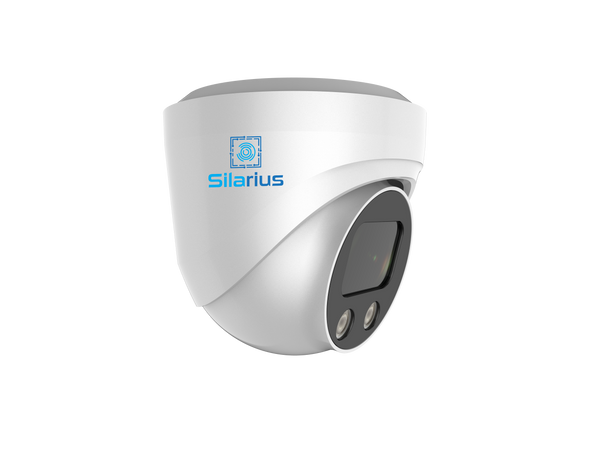
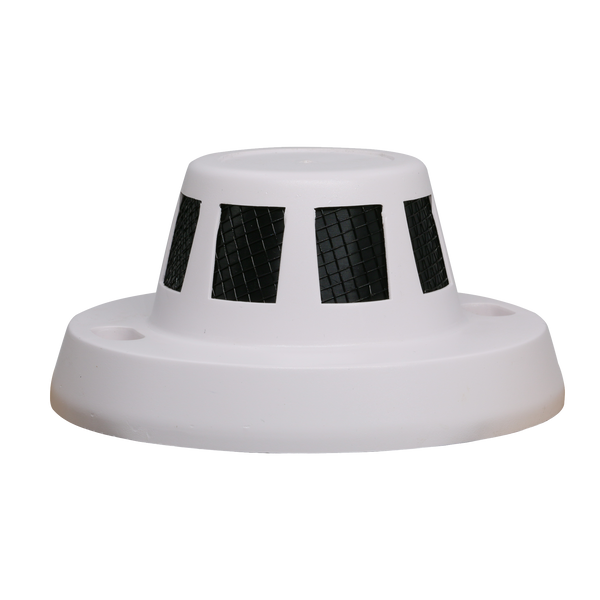
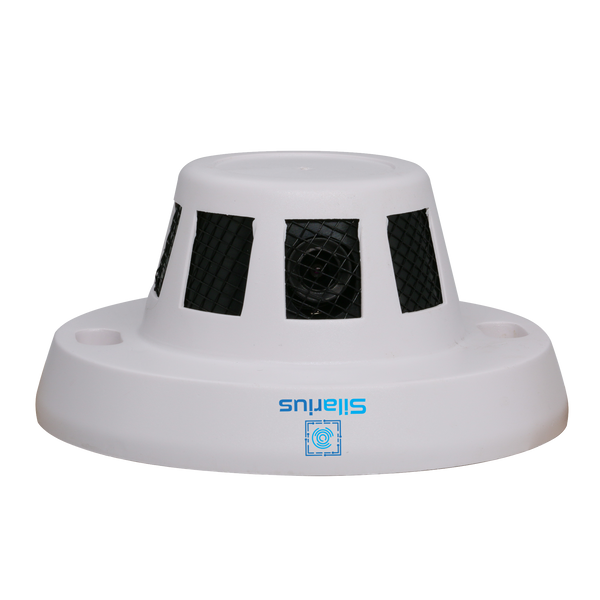
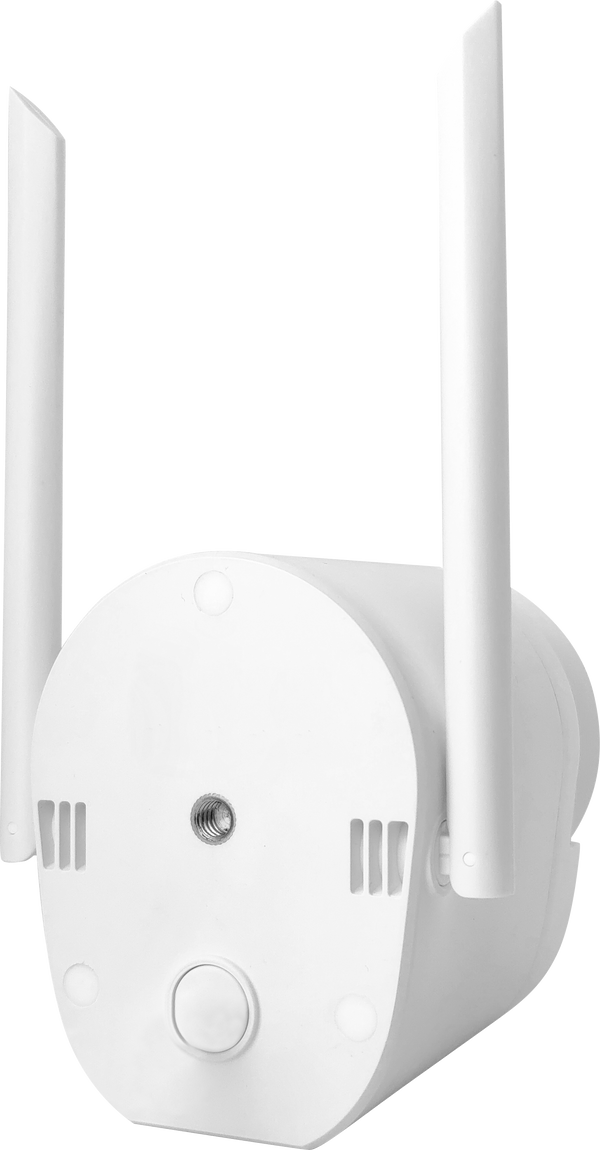
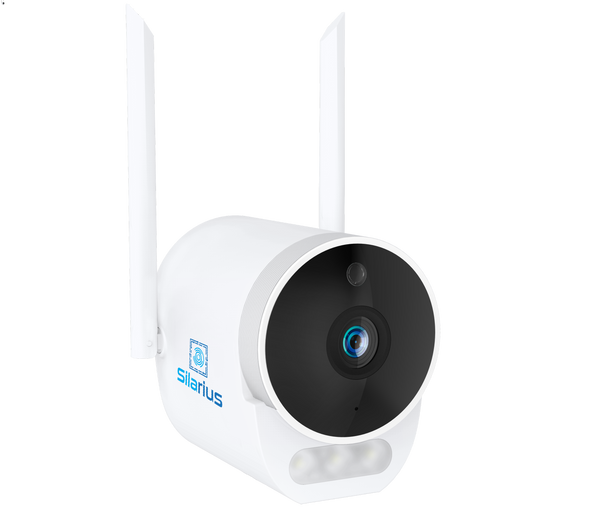
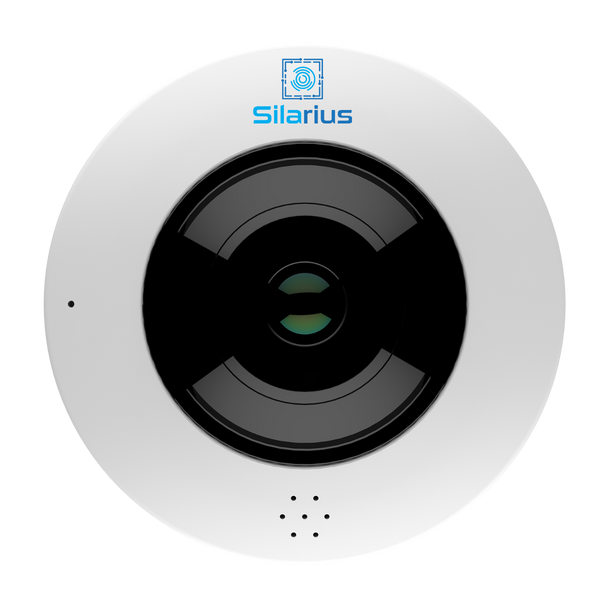
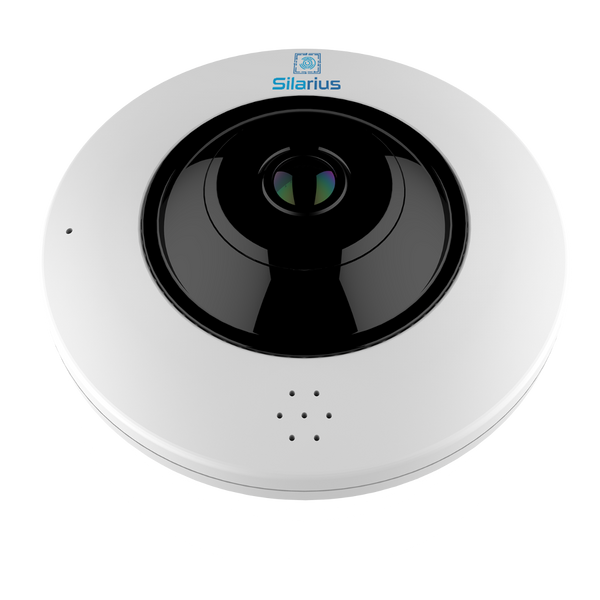
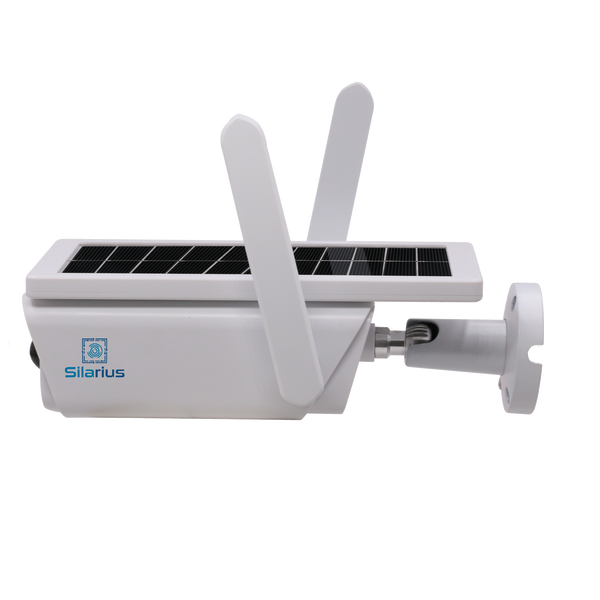
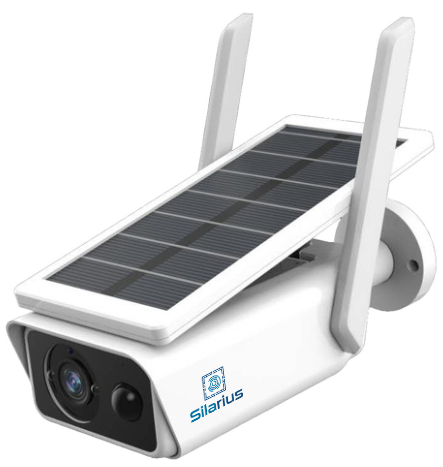
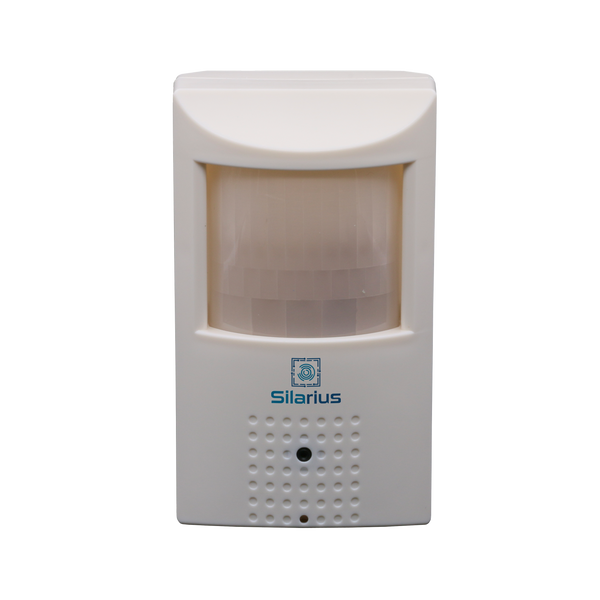
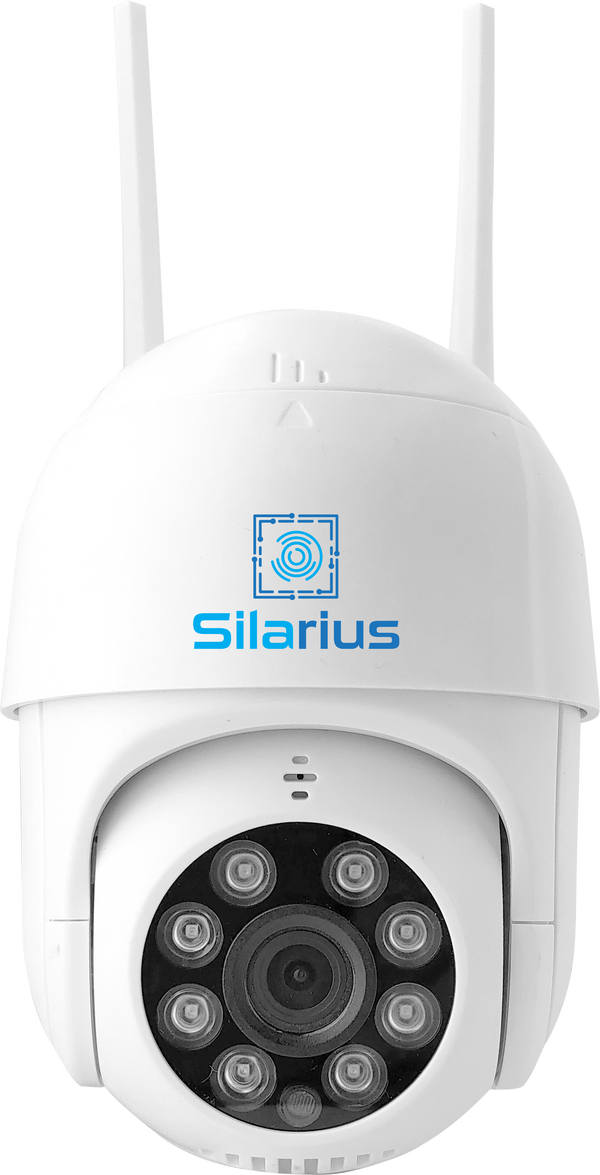
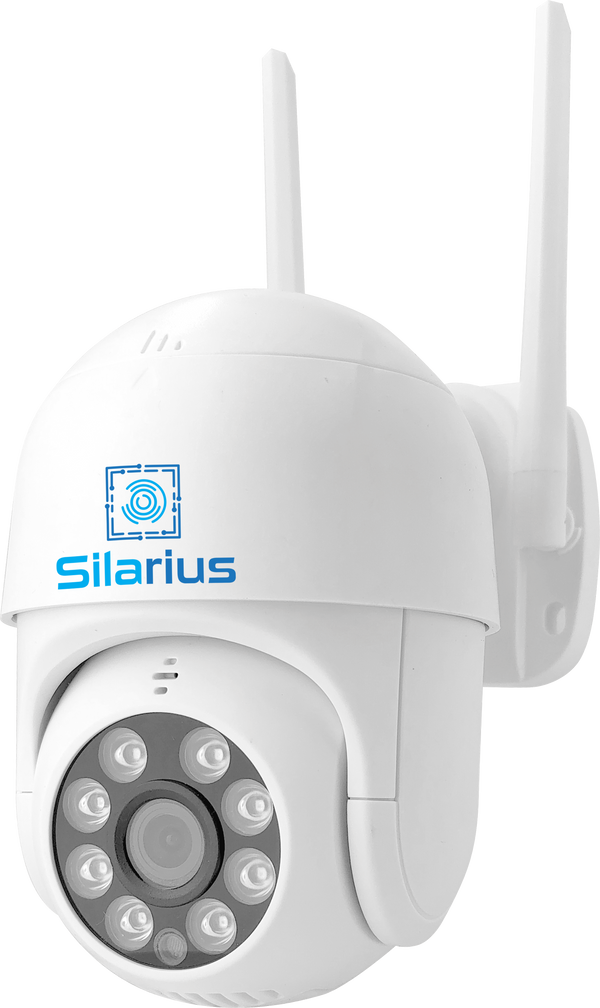
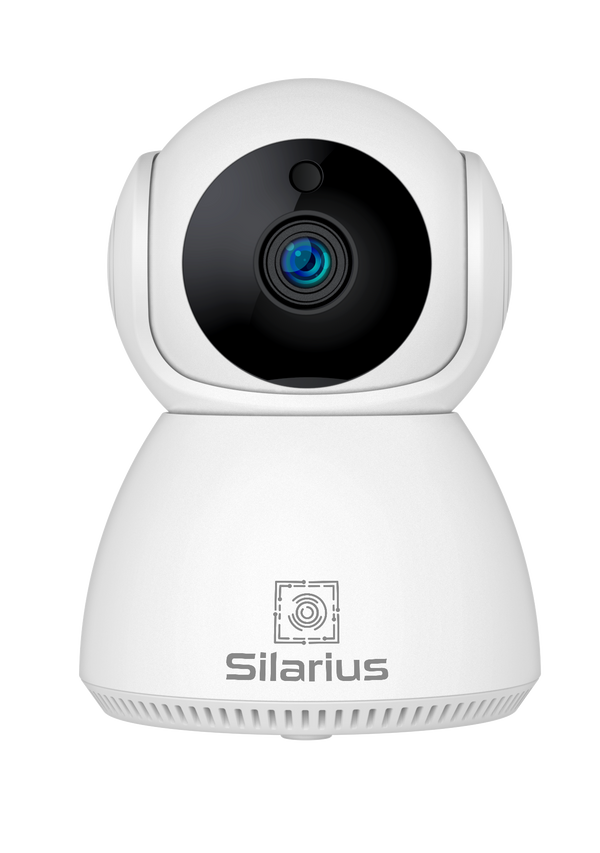
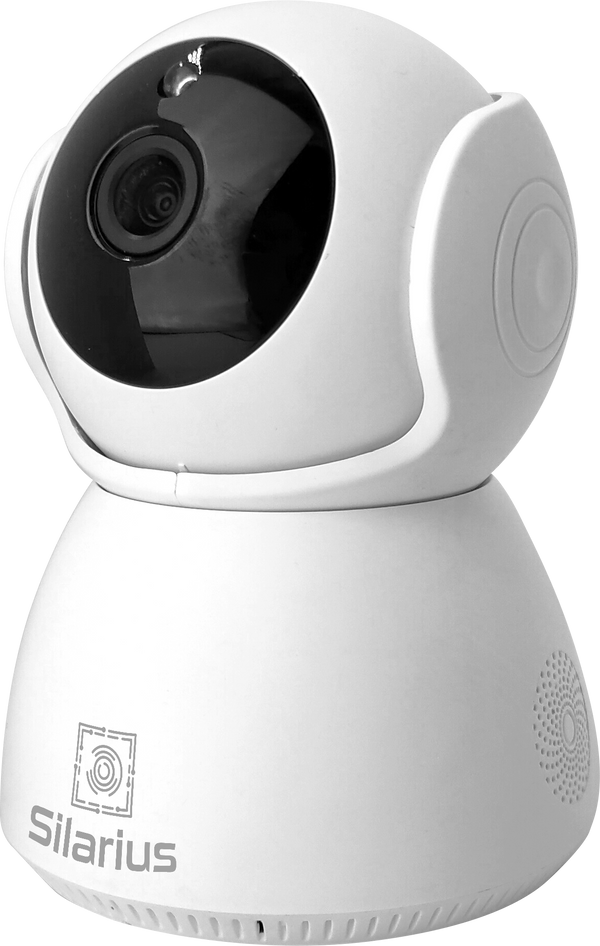
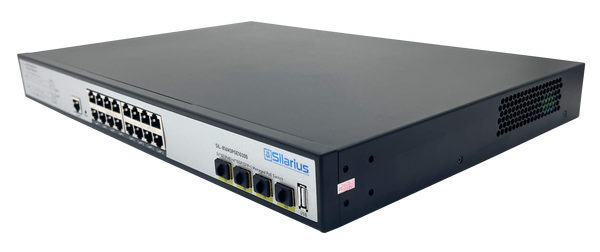
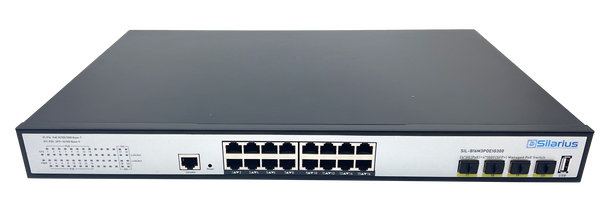
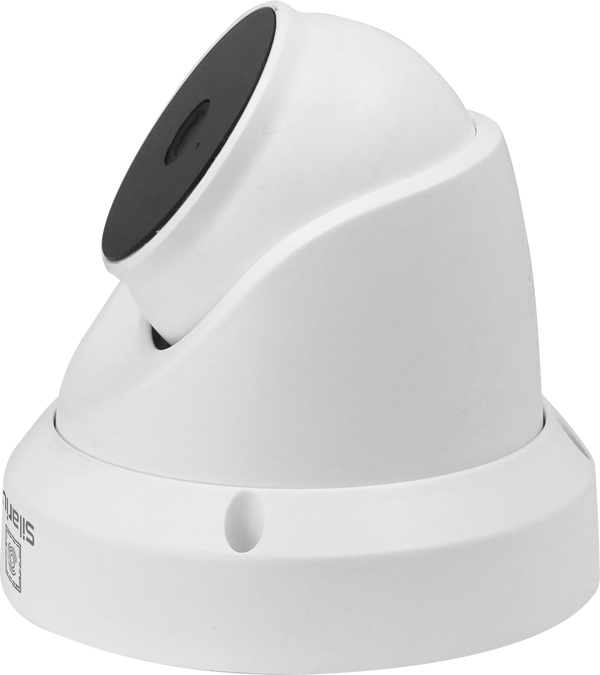
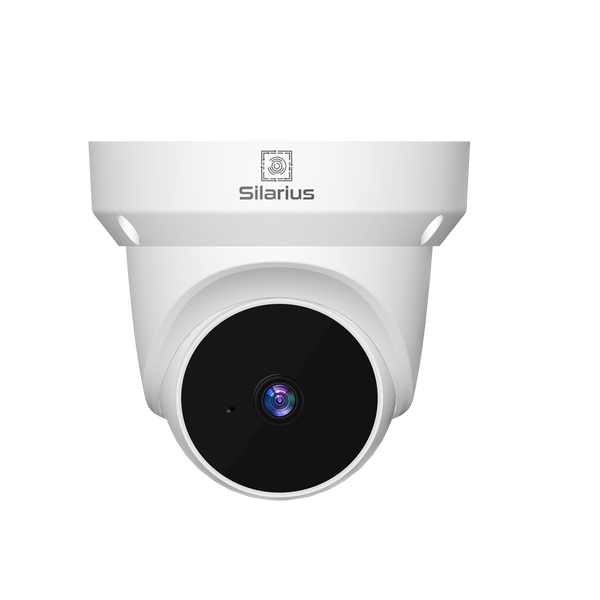
Compliant brands widely used in U.S. government and enterprise deployments include Hanwha (South Korea), Axis Communications (Sweden), Bosch (Germany), Pelco (USA), and the Silarius Pro Series - designed and distributed in the United States with NDAA Section 889 compliance built in.
NDAA Compliance vs. FCC Authorization vs. TAA Compliant
NDAA compliance is often confused with other certifications that appear on camera spec sheets. Here is how they differ:
- NDAA Section 889 - a procurement restriction based on manufacturer origin. Not a technical performance standard.
- FCC authorization - confirms the device meets U.S. radio frequency emission rules. Unrelated to NDAA.
- UL listing - a safety certification for electrical equipment. Also unrelated to NDAA.
- TAA compliant - Trade Agreements Act compliance, required for many federal IT purchases. Similar in spirit to NDAA but a separate legal framework.
How to Verify NDAA Compliance Before Buying
Not every product listing that claims NDAA compliance has been rigorously verified. Here is how to protect your purchase:
- Ask for a Section 889 representation letter - reputable distributors and manufacturers will provide written documentation confirming their products are not prohibited under Section 889.
- Check the parent company - some brands use white-label products manufactured by banned entities. Verify the actual manufacturer, not just the brand name on the box.
- Review the product datasheet - compliant vendors typically note NDAA compliance explicitly in their technical documentation.
- Buy from a verified distributor - purchasing from a specialty security integrator that focuses on NDAA-compliant equipment reduces your risk significantly.
NDAA Compliant Products at Silarius
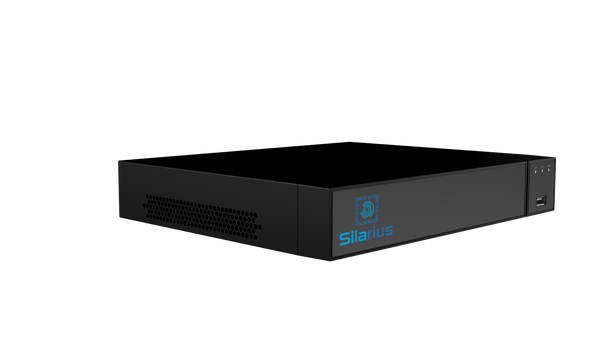
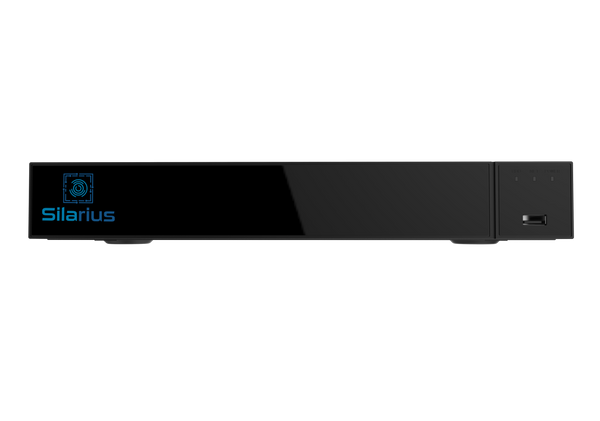
Silarius carries a curated selection of NDAA Section 889 compliant security equipment, including our own Silarius Pro Series cameras, NVRs, PTZ cameras, and access control terminals - all designed and distributed in the United States.
We also carry compliant products from leading international brands including Hanwha, Axis, Bosch, and others, giving you the flexibility to build a complete surveillance system without compromising on compliance or performance.
Browse our full NDAA Compliant product collection
Frequently Asked Questions
Do I need NDAA compliant cameras for my business if I am not a government contractor?
You are not legally required to comply unless you hold federal contracts or receive federal funding. However, NDAA-compliant equipment typically comes from more transparent manufacturers with stronger cybersecurity practices.
Are all Hikvision and Dahua products banned?
Section 889 bans covered companies and their subsidiaries and affiliates. Some products sold under other brand names may trace back to these manufacturers - which is why verifying the actual manufacturer behind a product is important.
Can I replace my existing Hikvision or Dahua cameras with NDAA compliant alternatives?
Yes. Modern NDAA-compliant IP cameras from manufacturers like Hanwha, Axis, and Silarius support the ONVIF standard, making them compatible with most existing NVR and VMS platforms.
Does NDAA compliance apply to NVRs and access control systems too?
Yes. Section 889 covers all telecommunications and video surveillance equipment, which includes NVRs, DVRs, VMS software, and access control systems - not just cameras.