PTZ Camera vs Fixed Camera: Which Is Right for Your Security System?
PTZ Camera vs Fixed Camera: Which Is Right for Your Security System?
When designing a video surveillance system, one of the most fundamental decisions is whether to use PTZ cameras (Pan-Tilt-Zoom) or fixed cameras — or a combination of both. Each type excels in specific scenarios, and choosing the wrong type for a location can result in blind spots, wasted budget, or footage that's too wide to be useful in an investigation.
What is a Fixed Security Camera?
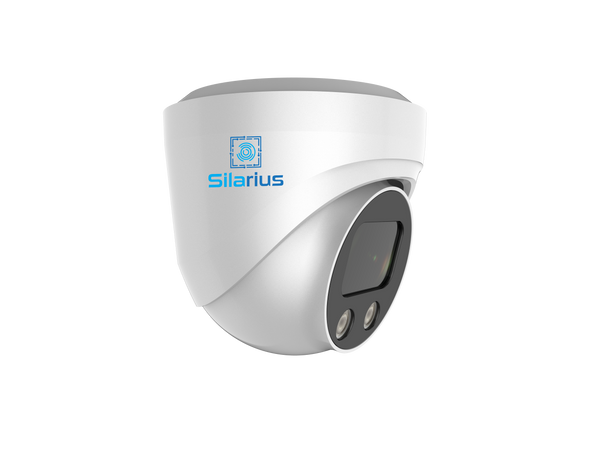
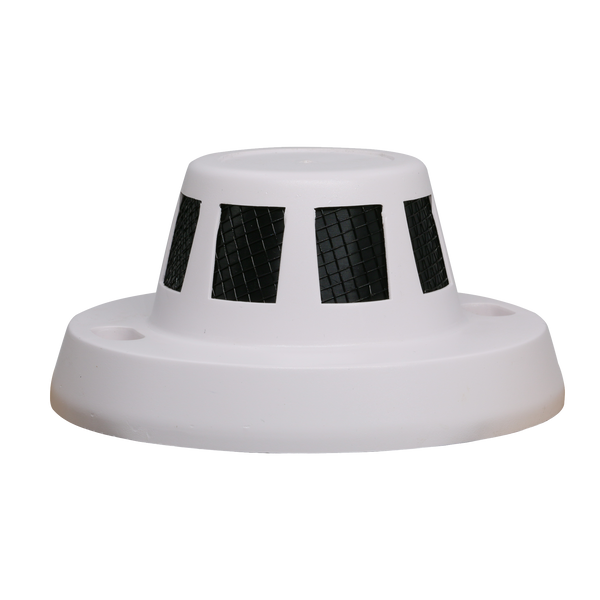
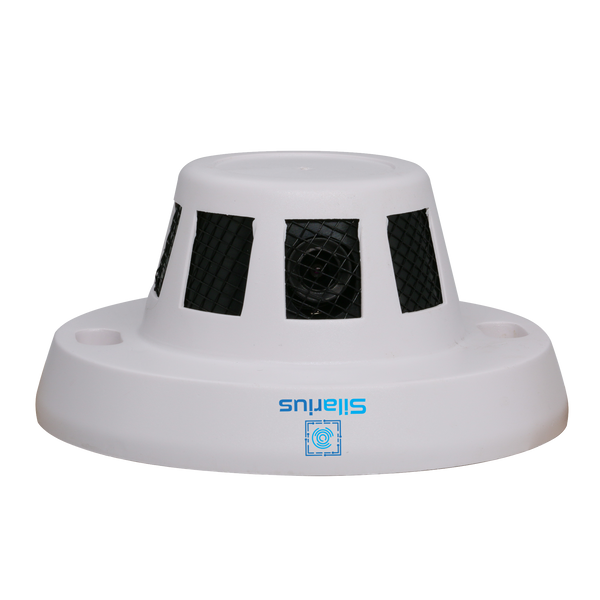
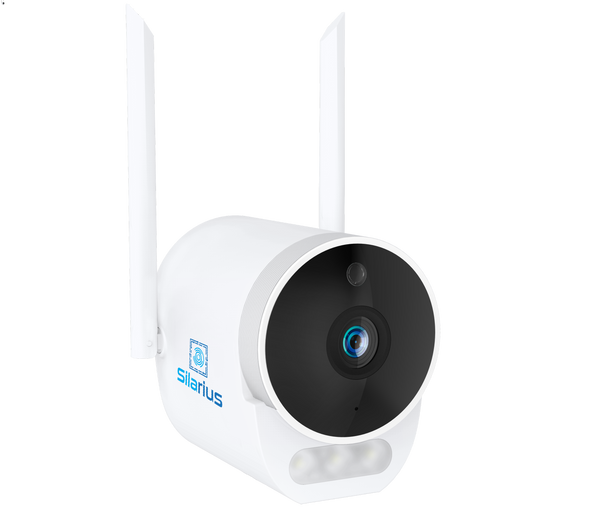
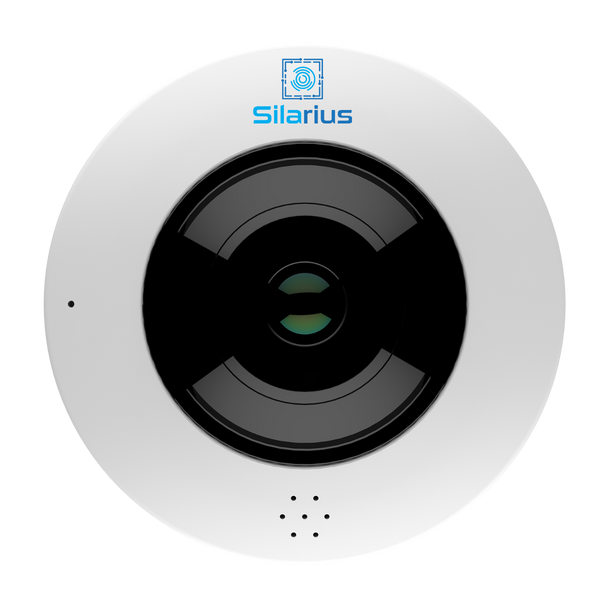
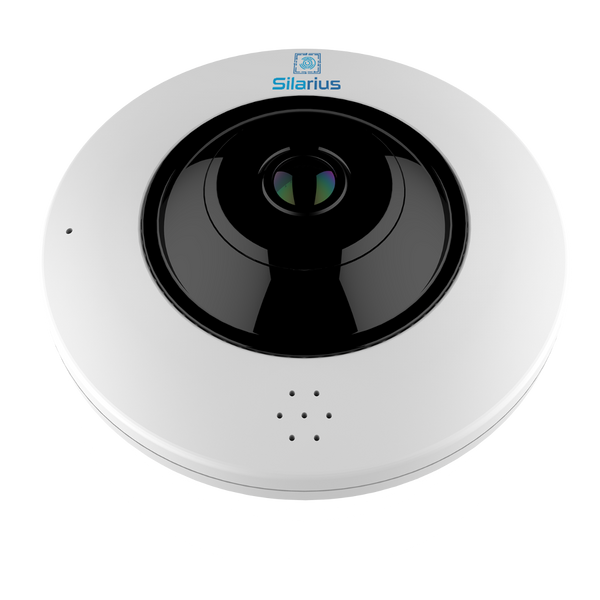
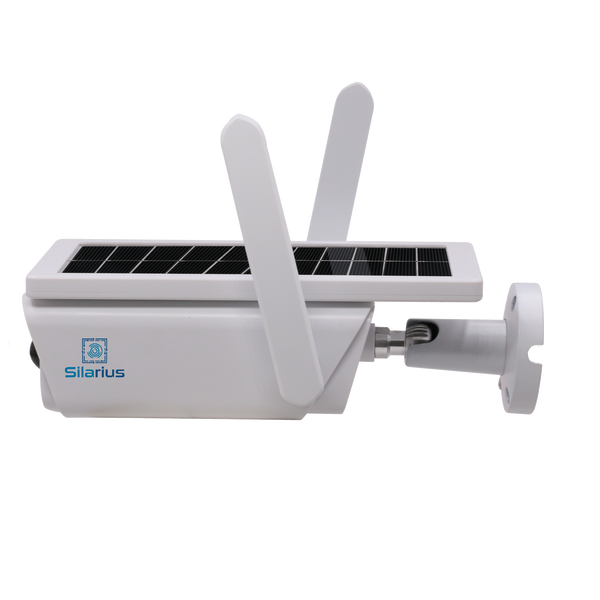
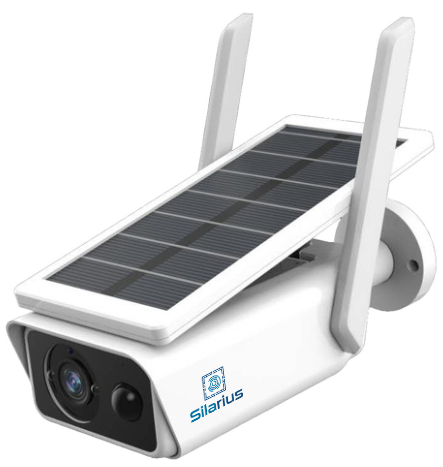
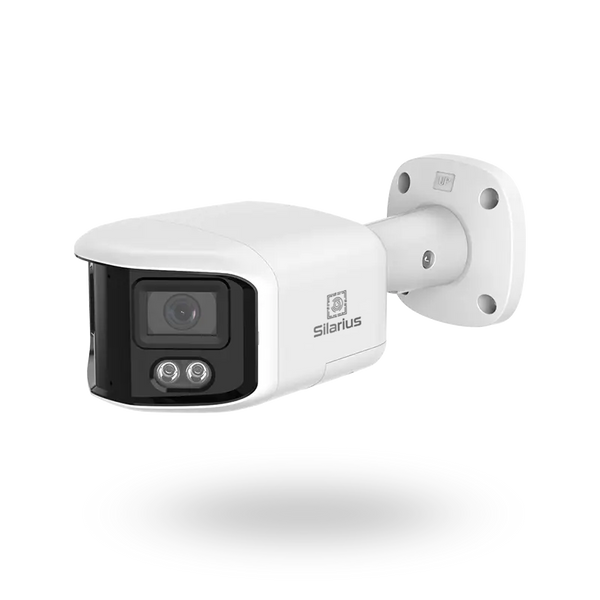
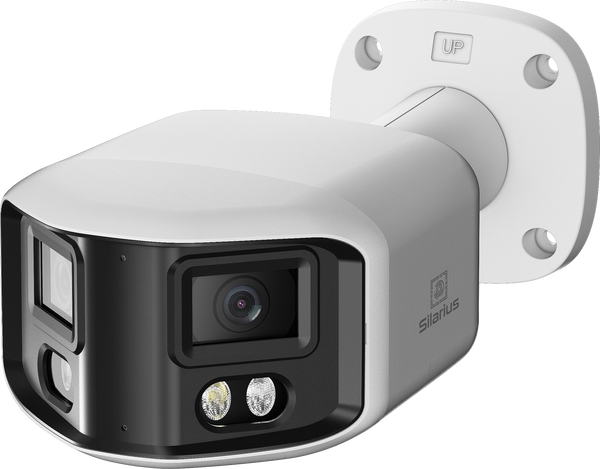
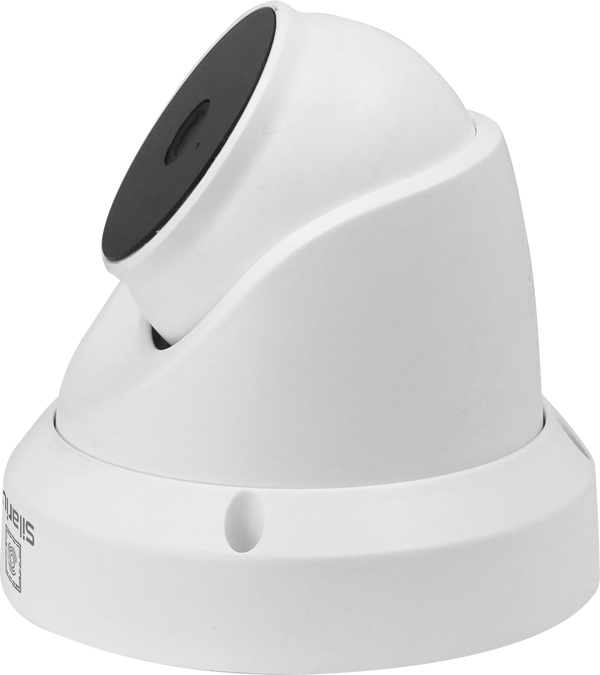
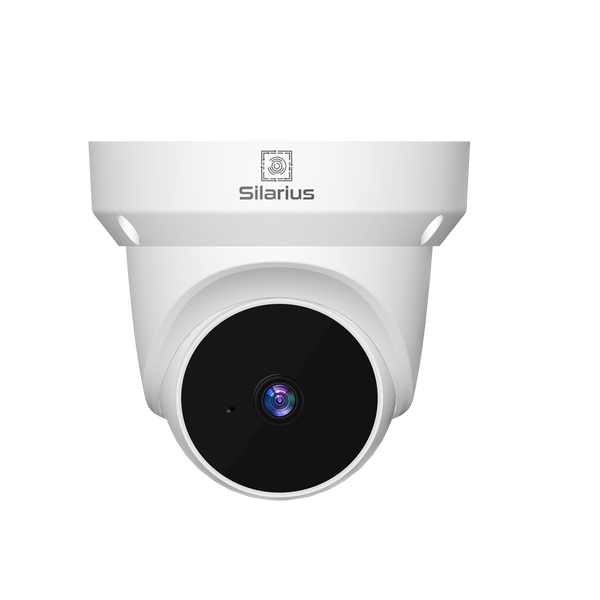
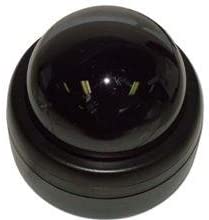
A fixed camera has a lens pointed in one direction that doesn't move. Once installed and aimed, it continuously monitors a defined field of view. Fixed cameras are available in bullet, dome, turret, and fisheye form factors.
Fixed camera advantages:
- Lower cost per camera — typically $100–$400 for commercial-grade units
- Simple installation and configuration
- No moving parts — highly reliable, minimal maintenance
- Provides continuous, consistent coverage of a specific zone
- Deters crime by being visible and obviously pointed at an area
- Works well for chokepoints: doorways, cash registers, parking lot entrances
Fixed camera disadvantages:
- Cannot track a moving subject across a large area
- Limited to the field of view set at installation
- Covering a large open area requires multiple cameras
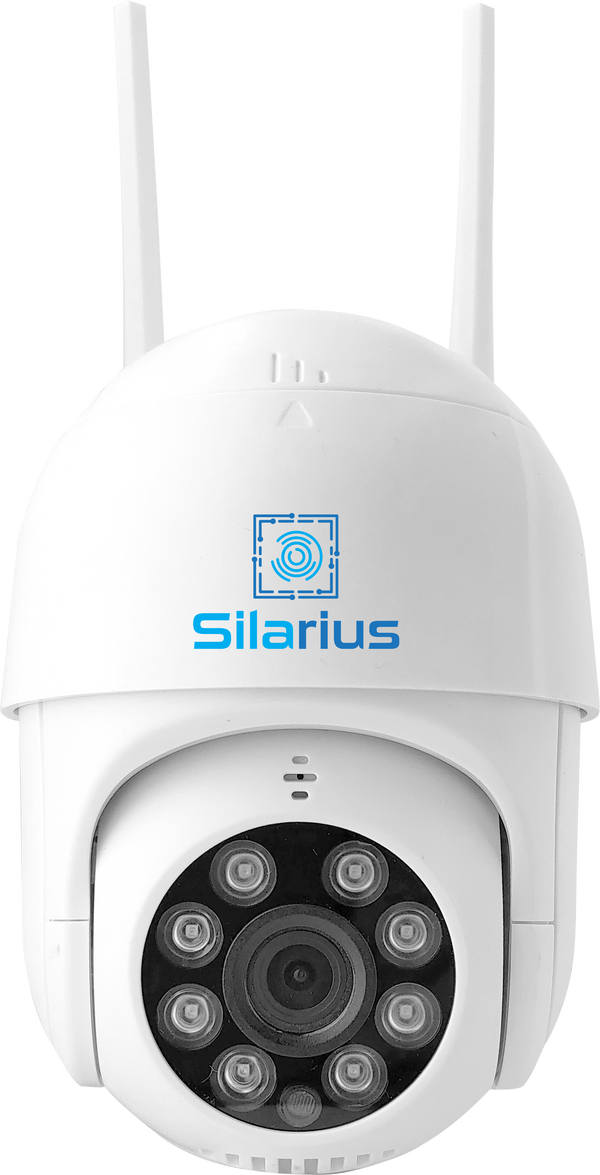
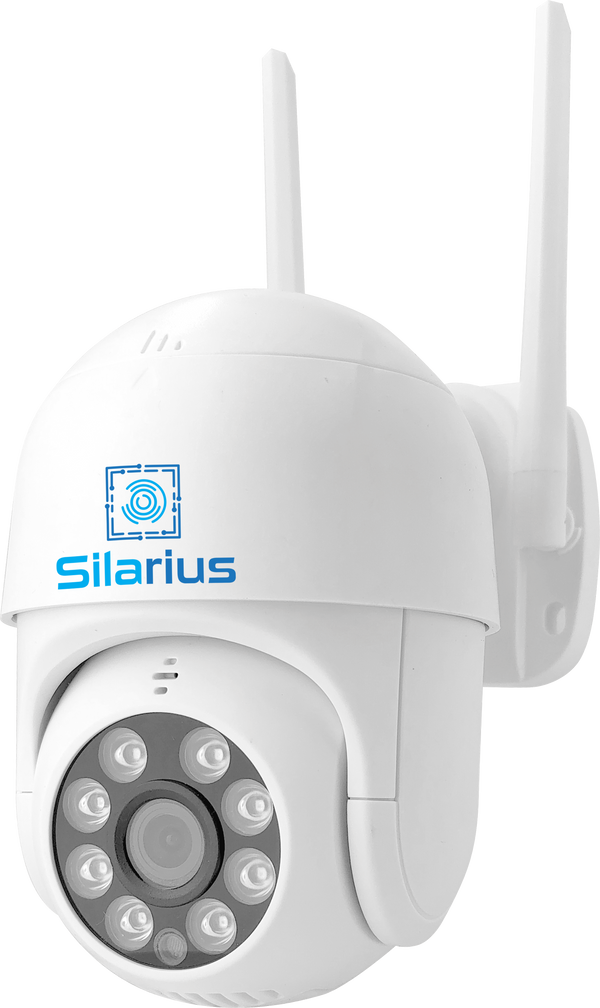
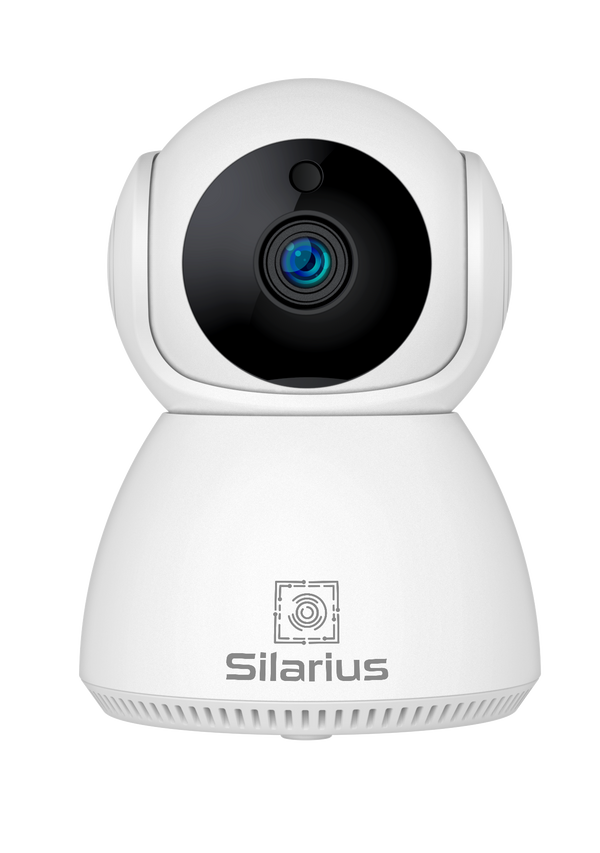
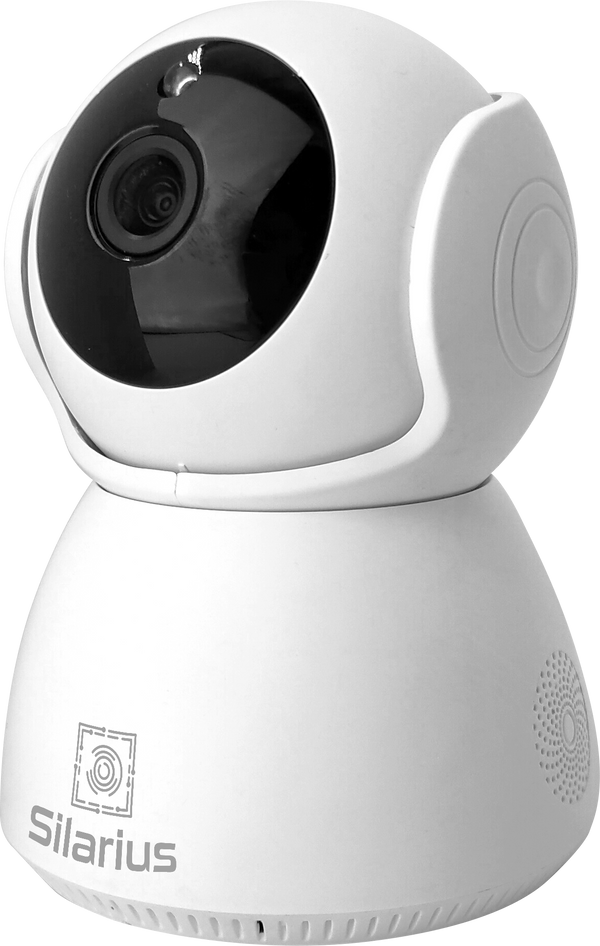
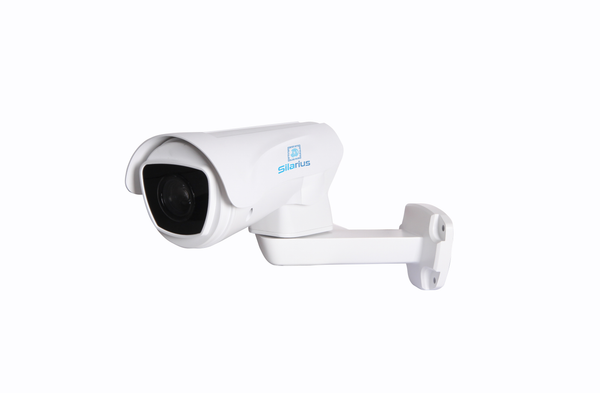
What is a PTZ Camera?
A PTZ camera can pan (rotate horizontally), tilt (rotate vertically), and zoom optically — either under manual control by a security operator or automatically via AI auto-tracking. High-end PTZ cameras can rotate 360° continuously and zoom 30x–40x optically while maintaining sharp detail.
PTZ camera advantages:
- One PTZ can cover the area that would otherwise require 4–6 fixed cameras
- Optical zoom delivers facial or license plate detail from long distances
- Auto-tracking follows a moving subject automatically — no operator required
- Can be repositioned remotely to investigate incidents in real time
- Ideal for large open spaces: parking lots, plazas, stadiums, warehouses
PTZ camera disadvantages:
- Higher cost — typically $400–$2,500+ for commercial PTZ cameras
- Moving parts require more maintenance over time
- Can only look in one direction at a time — not ideal as a primary coverage camera for a high-traffic chokepoint
- Requires more complex configuration for auto-tracking and presets
- PoE++ or separate power supply typically required (higher wattage draw)
PTZ vs Fixed: Head-to-Head Comparison
| Feature | Fixed Camera | PTZ Camera |
|---|---|---|
| Cost per unit | $100–$400 | $400–$2,500+ |
| Coverage area | Fixed angle (60–120° typical) | 360° pan, full tilt, optical zoom |
| Auto-tracking | No | Yes (AI-powered models) |
| Installation complexity | Low | Medium–High |
| Maintenance | Minimal | Occasional (motor servicing) |
| Best for | Chokepoints, doorways, registers | Open areas, perimeters, parking lots |
| Zoom capability | Digital only (quality loss) | Optical 20x–40x (sharp detail) |
| Moving subjects | Cannot track | Auto-tracks with AI |
| PoE power required | 15W (802.3af/at) | 25–60W (802.3at/bt) |
When to Use Fixed Cameras
Fixed cameras are the right choice for:
- Entry and exit points — doors, gates, turnstiles, loading docks
- Point-of-sale areas — cash registers, ATMs, customer service counters
- Narrow corridors and hallways — where a PTZ would be overkill
- Server rooms and restricted areas — where constant, documented coverage of a fixed zone is required
- High-volume camera deployments — where budget efficiency matters
When to Use PTZ Cameras
PTZ cameras are the right choice for:
- Large parking lots and open areas — one PTZ can cover what 5 fixed cameras cannot
- Perimeter security — fence lines, property boundaries, loading areas
- Active security operations — where a security officer monitors live and needs to direct camera view
- Auto-tracking scenarios — where AI should automatically follow intruders or suspicious persons
- Long-distance identification — capturing license plates or faces from 200–500 feet away using optical zoom
The Best Approach: Use Both
Professional security system designers almost always use a combination. Fixed cameras cover every chokepoint and critical zone with constant, documented coverage. PTZ cameras are positioned at high vantage points to cover large open areas and can be directed to investigate incidents flagged by fixed camera motion detection.
A typical design for a mid-size commercial building might include 80% fixed cameras for zone coverage and 20% PTZ cameras for perimeter and large open areas.
Whichever mix you land on, the cameras themselves are only half the system. Silarius Cloud can centralize footage from every fixed and PTZ camera in your deployment into one dashboard — it works with any ONVIF or RTSP camera you already own, so your camera layout and your cloud video platform are two separate decisions.
Browse PTZ and Fixed Cameras at Silarius
Silarius carries NDAA-compliant fixed and PTZ cameras across the Silarius Pro Series, engineered for exactly these deployment scenarios. Our team can help you design a camera layout that matches your facility's coverage requirements and budget.
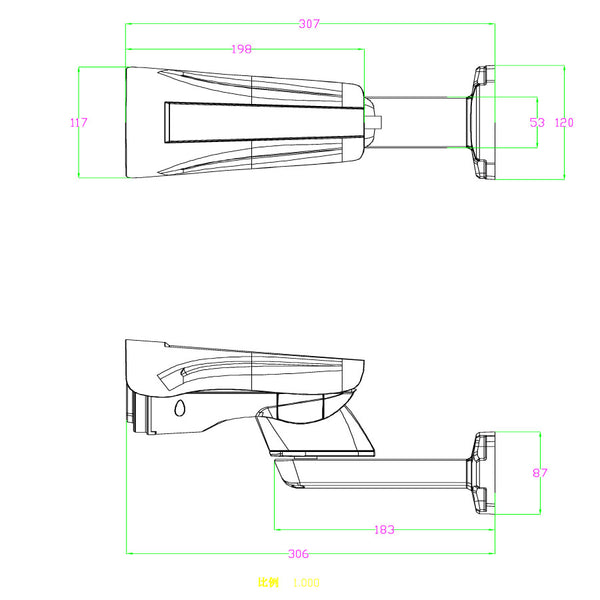
Browse PTZ Cameras — Browse Fixed IP Cameras — Silarius SIL-PTZ5MPX22 — Silarius SIL-DPTZ5MPX12 — Silarius SIL-B4MPNC6 (Fixed Bullet) — Request a System Design Consultation