AI-Powered Security Cameras: What Every Business Needs to Know in 2026
If you haven't upgraded your surveillance infrastructure in the last two or three years, you may be operating with a system that is already obsolete. The security camera market has undergone a dramatic shift in 2026: on-board artificial intelligence is no longer a premium add-on reserved for enterprise deployments. It is becoming the baseline expectation for any serious security installation — from retail chains and warehouses to schools, hospitals, and municipal facilities.
This post breaks down exactly what AI-powered surveillance means in practice, why it matters for your organization, and how pairing smart cameras with the right NVR and cloud platform turns raw video into actionable intelligence.
What "AI Camera" Actually Means in 2026
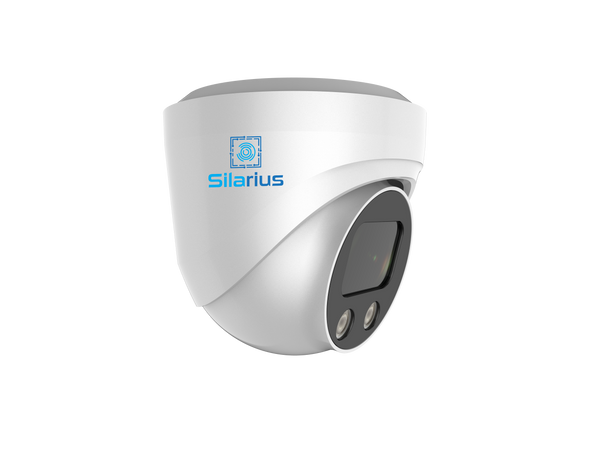
The phrase gets thrown around loosely, so let's be precise. A true AI-enabled camera performs on-device inference — meaning the computer vision model runs directly on the camera's processor (the "edge"), not in a remote server or the cloud. That distinction matters enormously for real-world performance.
Edge Processing vs. Cloud-Only Analytics
When analysis runs at the edge, the camera can act in milliseconds — triggering an alert, activating a siren, or flagging a clip for immediate review — before a single frame has been uploaded anywhere. Cloud-only analytics, by contrast, must transmit video upstream first, introducing latency and bandwidth costs that add up fast across a large camera deployment. The best modern architectures combine both: edge AI for instant local response, and cloud AI for deeper forensic search and cross-site trend analysis. For a deeper dive into on-device processing, see What Is an Edge AI Security Camera?
What Modern AI Cameras Detect
Today's smart cameras go far beyond basic motion detection. Current on-device models can reliably identify:
- People vs. vehicles vs. animals — eliminating the false alarms that plague legacy PIR-triggered systems
- Loitering and zone intrusion — flagging individuals who linger in restricted areas beyond a configurable threshold
- Perimeter line crossing — with directional logic (inbound vs. outbound) and time-of-day scheduling
- Crowd density and queue length — useful for retail analytics and public safety
- License plate recognition (LPR) — built into select camera models without a separate ANPR server
- Smoke and flame detection — early warning before traditional fire systems activate
Why 2026 Is the Inflection Point
Several forces converged this year to push AI cameras from niche to mainstream. Chip costs for edge inference processors dropped significantly, bringing capable AI cameras into price ranges that previously only bought "dumb" megapixel cameras. At the same time, labor costs for security guards have risen, making technology-assisted monitoring far more cost-effective. Insurance carriers are beginning to offer premium discounts for facilities that can demonstrate proactive, analytics-driven surveillance — another tangible ROI driver.
There is also a regulatory dimension. The ongoing expansion of NDAA Section 889 compliance requirements continues to push federal agencies, contractors, and many state and local governments away from cameras built on Chinese-origin chipsets. Organizations that are still running equipment from restricted manufacturers face mounting procurement restrictions and cybersecurity exposure. Replacing that hardware with NDAA-compliant cameras — and pairing it with a secure cloud VMS — is now a compliance necessity, not just a best practice.
Pairing Smart Cameras with the Right NVR
An AI camera is only as useful as the system it connects to. A network video recorder (NVR) that doesn't understand the camera's metadata stream — its bounding boxes, object classifications, and event triggers — will simply record raw video and discard the intelligence the camera worked to extract.
Modern NVRs designed for AI workflows ingest structured event data alongside the video stream, enabling event-based search: find every clip where a person entered the loading dock between midnight and 5 a.m. in the last 30 days — in seconds, without scrubbing hours of footage. This is the core value proposition that separates a smart surveillance deployment from a conventional one.
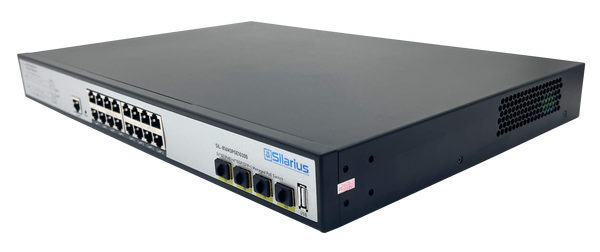
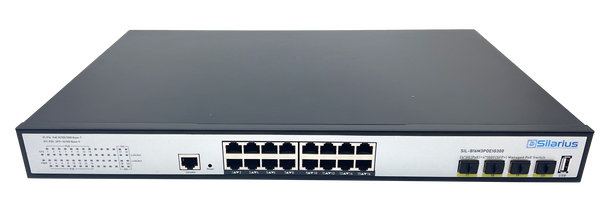
When evaluating an NVR, look for native compatibility with the camera manufacturer's AI SDK, adequate processing headroom for simultaneous AI streams, and redundant storage options. PoE NVRs simplify installation dramatically by powering cameras over the same Ethernet cable that carries data — reducing conduit runs and eliminating the need for separate power supplies at each camera location.
Cloud Video Surveillance: Closing the Loop
Even the most capable on-premise NVR has blind spots: it can fail, it can be stolen, and it can't give you a unified view across multiple sites from a single dashboard. That's where cloud video surveillance — or Video Surveillance as a Service (VSaaS) — completes the picture.
A well-designed cloud VMS platform combines the low-latency response of edge AI with the accessibility and resilience of cloud storage. Authorized users can review live feeds, pull recorded clips, configure alert rules, and generate reports from any device, anywhere. Multi-site operators gain a single pane of glass that aggregates events from dozens or hundreds of locations. And because recordings are stored off-site, they are protected from on-site tampering or equipment theft. We cover this in more detail in our posts on AI analytics for cloud surveillance and why footage belongs in the cloud.
The Silarius Cloud Video Service is built around exactly this architecture — pairing enterprise-grade camera hardware with a fully managed cloud platform designed for scalability, cybersecurity, and ease of use. Whether you are managing three locations or three hundred, the platform grows with you without requiring a forklift upgrade of your on-premise infrastructure.
Building Your AI Surveillance Stack with Silarius
A future-ready surveillance deployment in 2026 typically combines three layers:
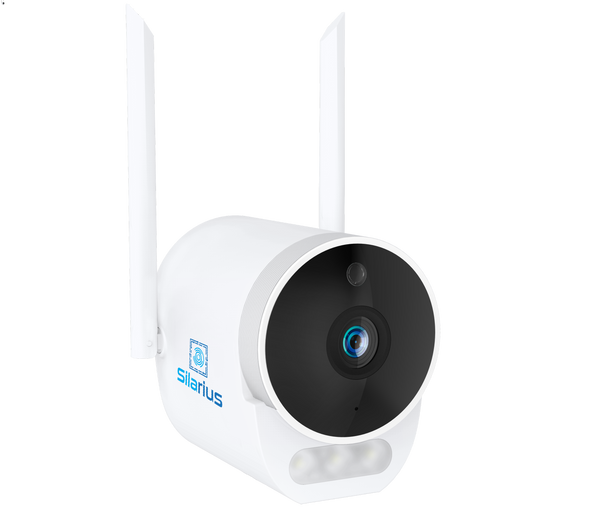
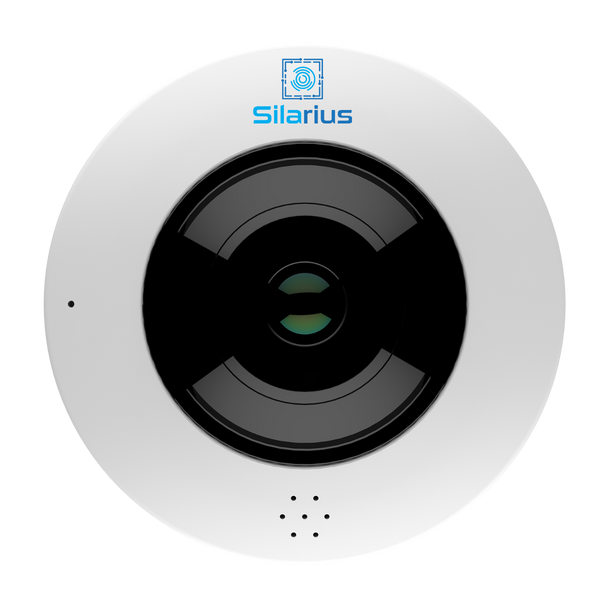
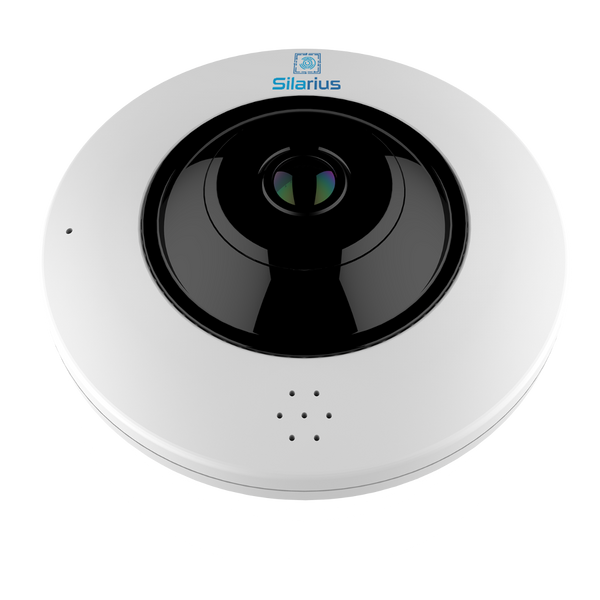
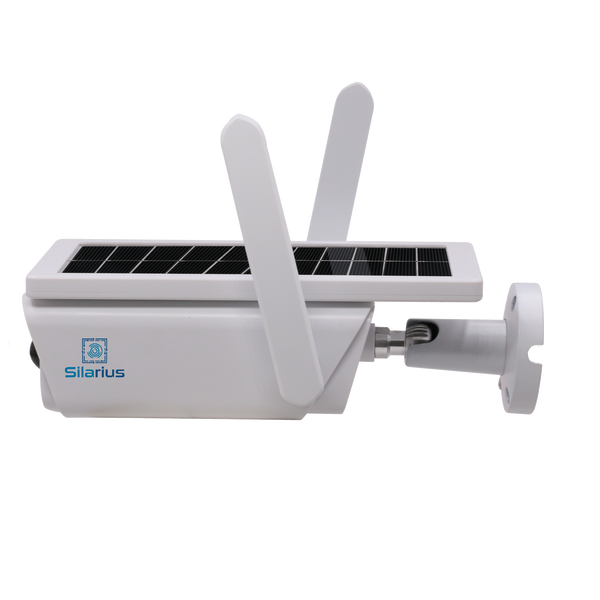
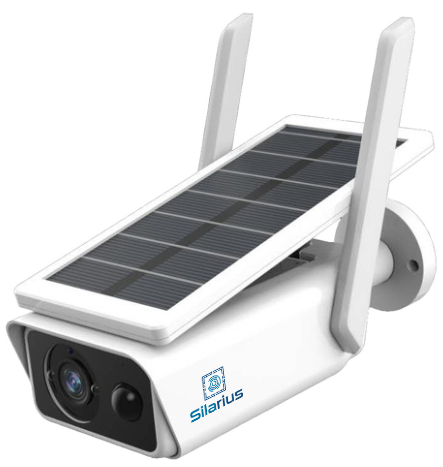
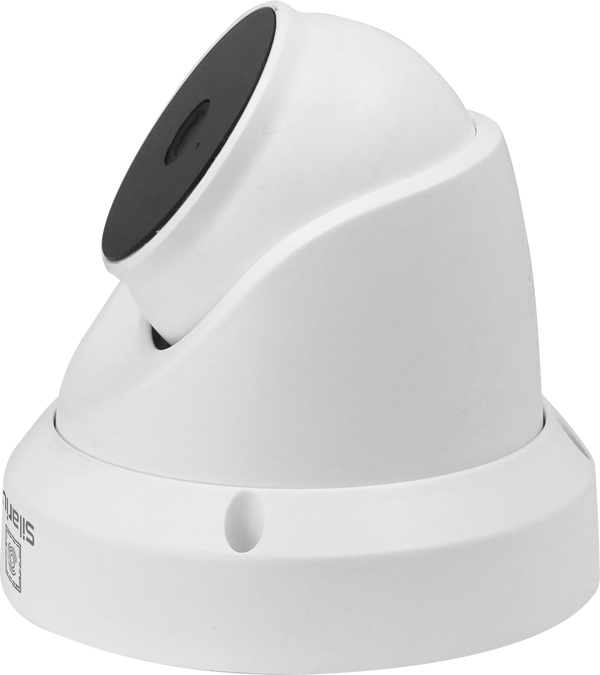
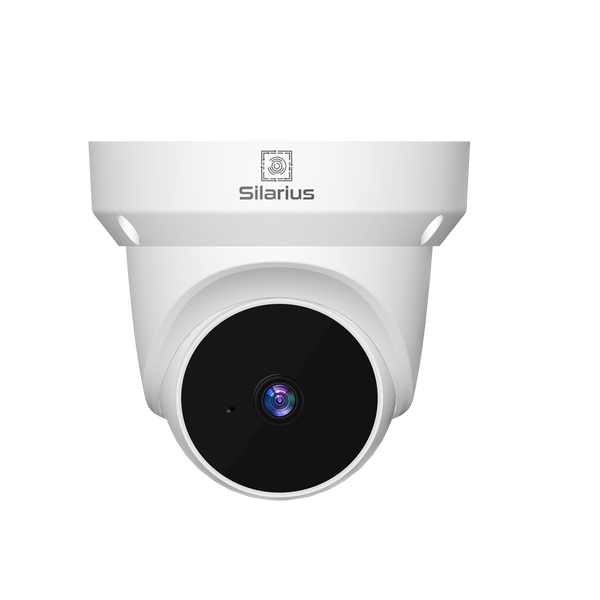
- Smart IP cameras with on-board AI for edge detection and classification
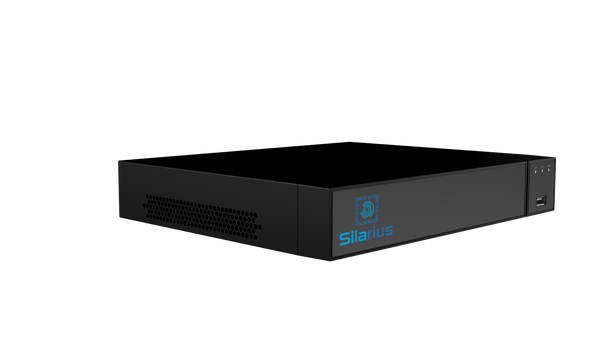
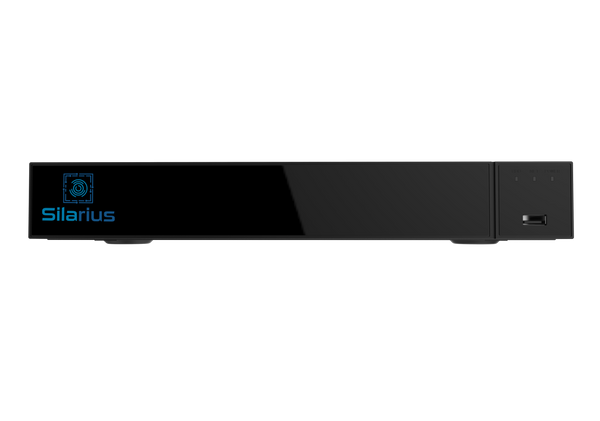
- A PoE NVR that ingests AI metadata for intelligent local recording and search
- A cloud VMS for remote access, off-site storage, multi-site management, and advanced analytics
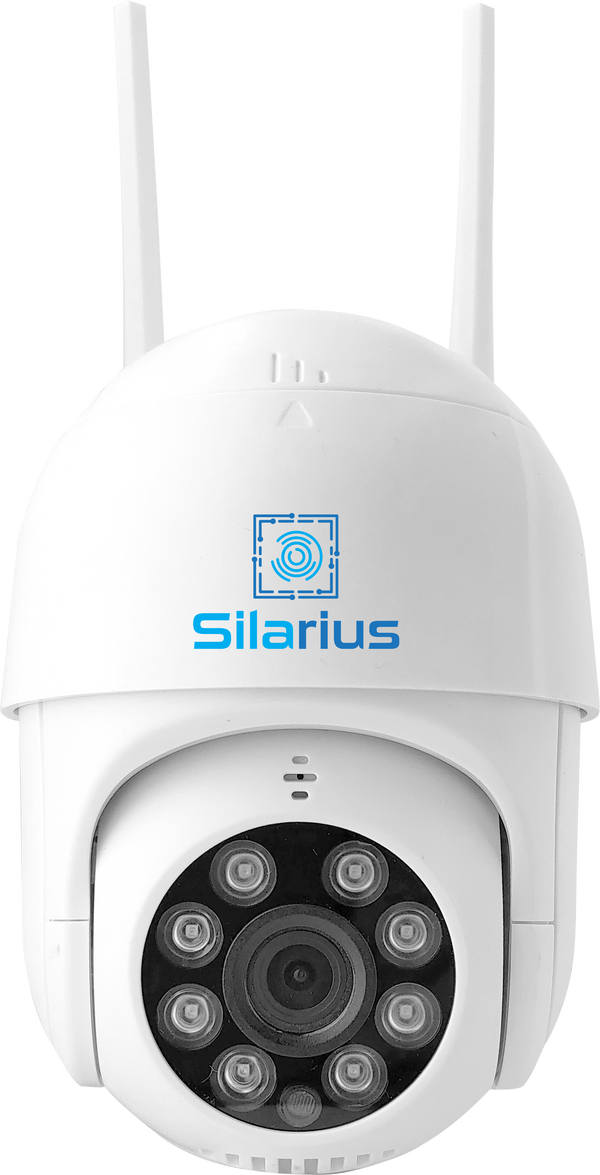
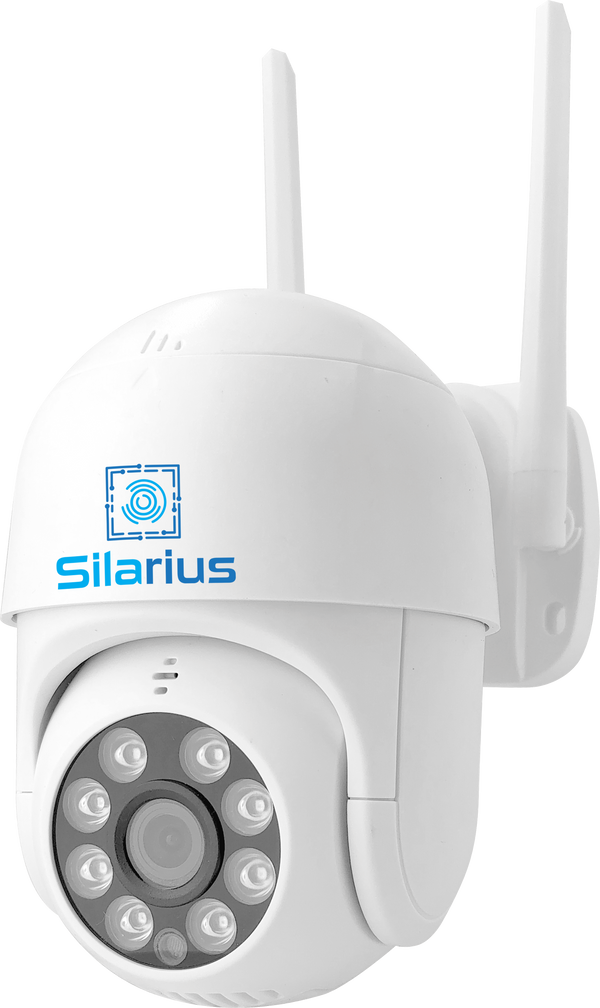
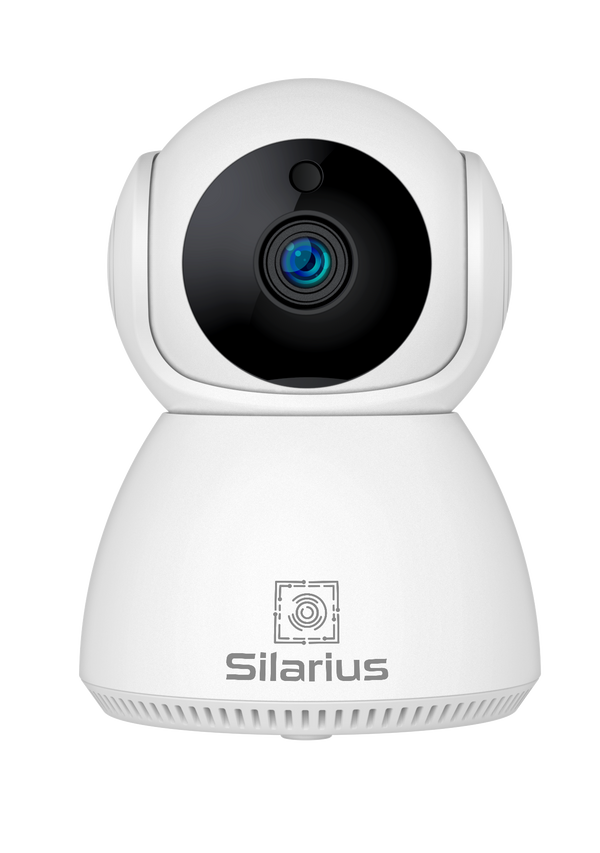
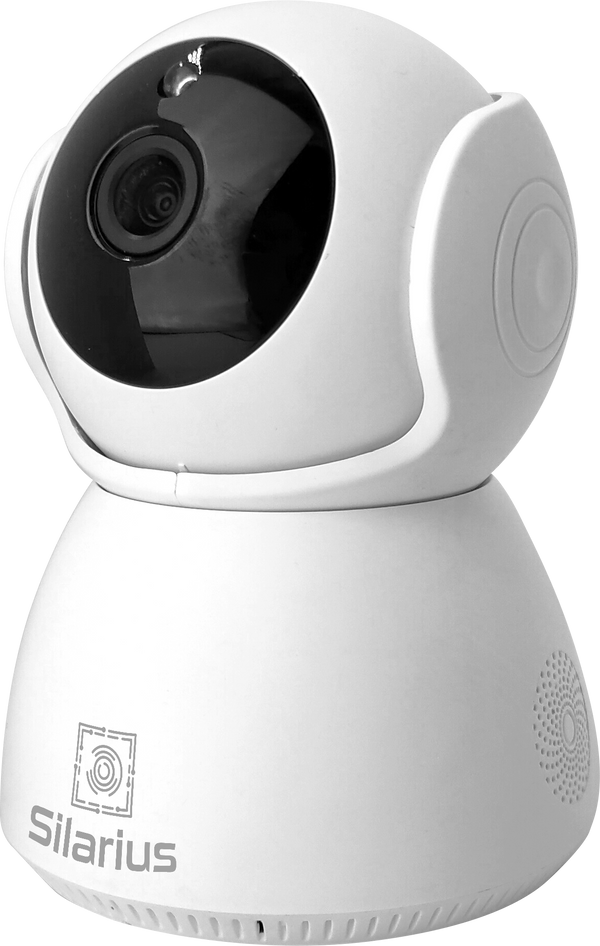
Silarius offers all three layers under one roof. Our product catalog includes a curated selection of AI-capable IP cameras, PoE switches, and NVR systems engineered to work together — eliminating the compatibility headaches that plague mixed-brand deployments. Every product we carry meets current NDAA compliance standards, giving government agencies and contractors the confidence they need when deploying new infrastructure.
Is It Time to Upgrade?
If your current cameras rely on pixel-change motion detection, if you're running hardware flagged under NDAA restrictions, or if your team spends hours manually reviewing footage after incidents, the answer is almost certainly yes. The good news is that the cost and complexity of transitioning to an AI-driven surveillance stack have never been lower — and the operational benefits are immediate.
Our team works with IT managers, security integrators, and facility directors every day to design systems that fit real-world budgets and deployment constraints. Contact Silarius to schedule a consultation and find out which AI camera and cloud solution is right for your environment. We'll help you move from reactive security to proactive, intelligent protection — before the next incident, not after.