What Is Trustworthy AI in Surveillance — And Why It Matters for Your Business
Trustworthy AI in surveillance refers to artificial intelligence systems that are accurate, transparent, explainable, and compliant with emerging regulations — producing reliable alerts that security teams can act on with confidence while minimizing costly false alarms. As AI-powered cameras and analytics become standard across commercial, industrial, and government facilities, the question is no longer just whether your system detects threats, but whether it does so in a way that is dependable, auditable, and legally defensible. For a broader look at how AI is reshaping camera hardware, see our guide to AI-Powered Security Cameras.
Why Is Trustworthy AI in Surveillance So Critical Right Now?
Two forces are converging in 2026 to push trustworthy AI from a buzzword to a business requirement. First, AI surveillance adoption has accelerated dramatically — the global video analytics market is growing at over 21% annually, meaning more organizations than ever are relying on AI-driven alerts for real-time decisions. Second, regulatory pressure has caught up: the EU AI Act, whose high-risk AI provisions came into full enforcement in August 2026, explicitly classifies biometric identification and public-space surveillance AI as high-risk systems requiring robust documentation, human oversight, and demonstrable accuracy standards.
Even for US-based businesses without EU operations, the EU AI Act is fast becoming a global compliance benchmark that insurers, enterprise clients, and government contractors reference in procurement requirements.
What Makes an AI Surveillance System Trustworthy?
Security industry leaders and regulators have converged on four core pillars:
1. Accuracy and Low False Alarm Rates
A system that cries wolf is worse than no system at all. Alert fatigue — where security staff begin ignoring notifications because too many are false positives — is one of the leading causes of genuine threats going undetected. Trustworthy AI uses high-quality training data, scene-calibrated models, and continuous refinement to maintain detection accuracy above 95% while keeping false alarm rates below 5%. Vendors who cannot provide real-world performance benchmarks are offering AI as a marketing label, not a reliability guarantee.
2. Data Quality at the Source
AI analytics are only as good as the video data they receive. Poor image quality — from inadequate lighting, incorrect camera placement, outdated hardware, or heavy compression — degrades model performance regardless of how sophisticated the analytics engine is. Trustworthy deployments start with properly specified, high-resolution cameras feeding clean, consistent footage to the AI layer.
3. Transparency and Explainability
Security teams need to understand why an alert was triggered, not just that it was. Modern trustworthy AI platforms provide event metadata, confidence scores, and visual annotation of the detected object or behavior. This explainability is also a compliance requirement under the EU AI Act's high-risk provisions, which mandate that AI-driven decisions be interpretable by human operators.
4. Regulatory Compliance and Audit Trails
From GDPR to the EU AI Act to US state-level biometric privacy laws, the regulatory landscape is tightening. Trustworthy systems maintain comprehensive audit logs, support configurable data retention policies, and are built by vendors committed to ongoing compliance updates as laws evolve.
What Are the Real Business Risks of Untrustworthy AI?
Operational risk: False alarms drain budgets. Each unnecessary dispatch costs time, personnel, and — in monitored environments — third-party response fees. High false-alarm rates also erode organizational trust in the entire security program, leading to underinvestment at exactly the wrong time.
Legal and regulatory risk: Under the EU AI Act, organizations deploying non-compliant high-risk AI systems face fines of up to €30 million or 6% of global annual turnover. US-based businesses are also seeing rising litigation around biometric data misuse in states with robust privacy statutes.
Reputational risk: A high-profile wrongful identification or privacy breach tied to your AI surveillance system can cause lasting brand damage — particularly in sectors like healthcare, education, and retail where community trust is foundational to the business.
How Do You Evaluate AI Surveillance for Trustworthiness?
When assessing any AI-powered surveillance solution, ask vendors these questions:
- What is your documented false positive rate under real-world field conditions — not controlled lab tests?
- How is your AI model trained, validated, and updated after deployment?
- Do you provide confidence scores and event metadata with every alert?
- What compliance documentation do you supply for EU AI Act high-risk requirements or US biometric privacy laws?
- Can your system integrate audit logging into our existing compliance and incident management workflows?
How Does Silarius Help Businesses Deploy Trustworthy AI Surveillance?
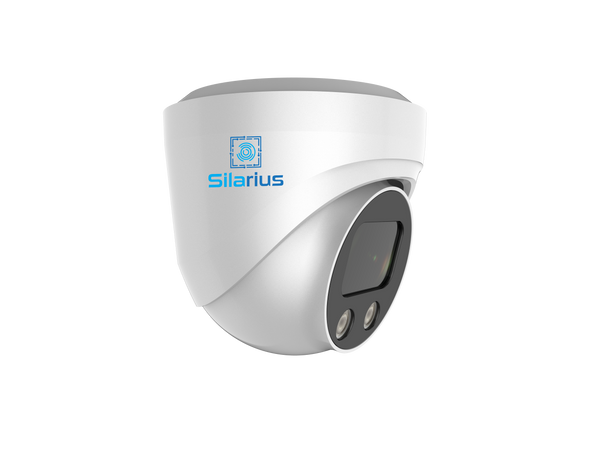
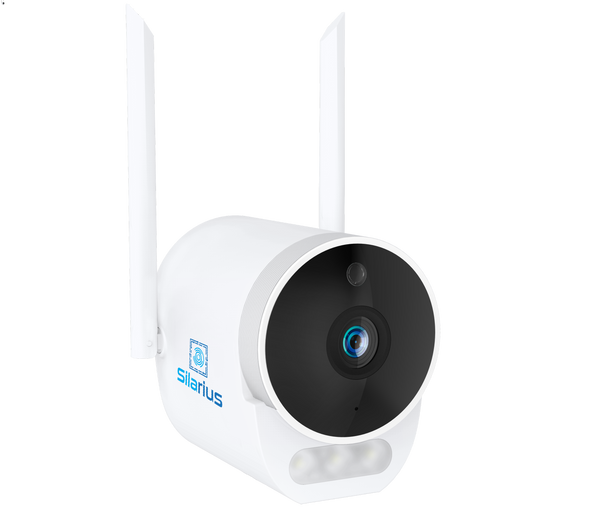
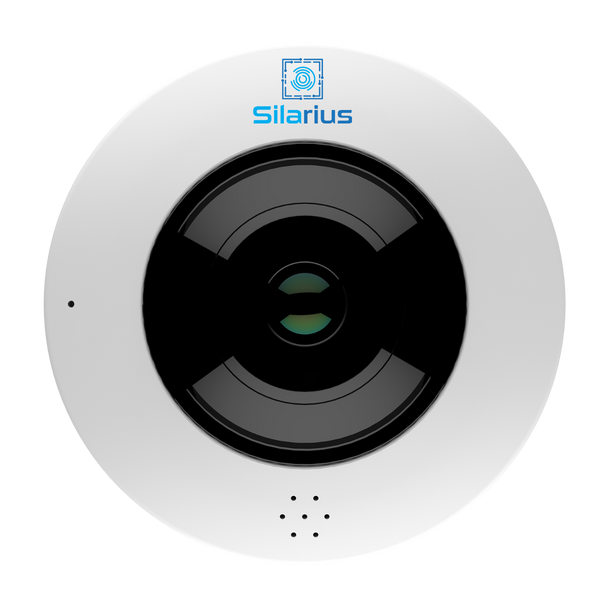
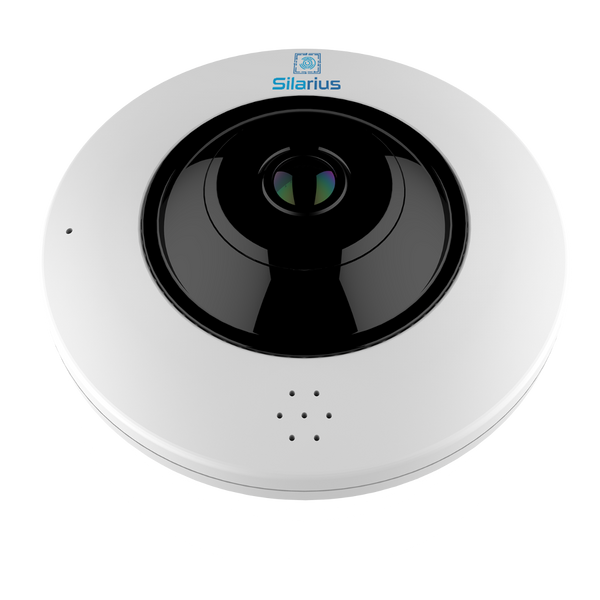
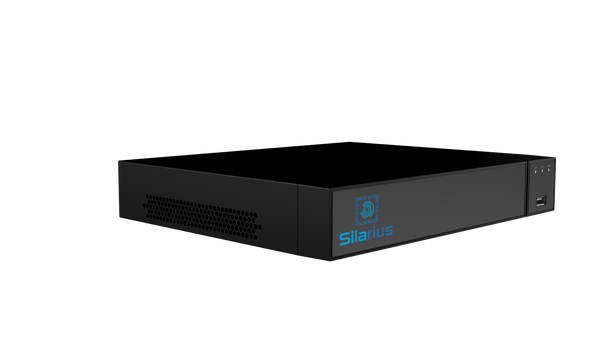
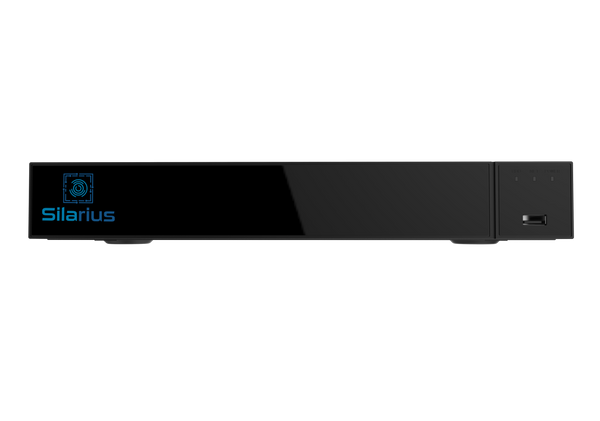
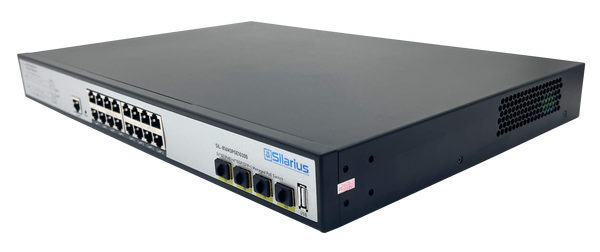
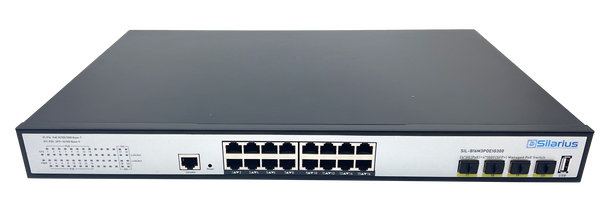
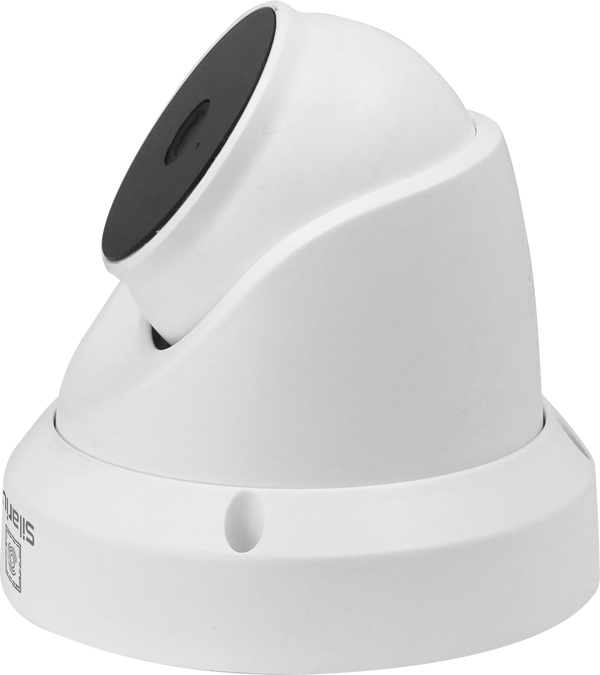
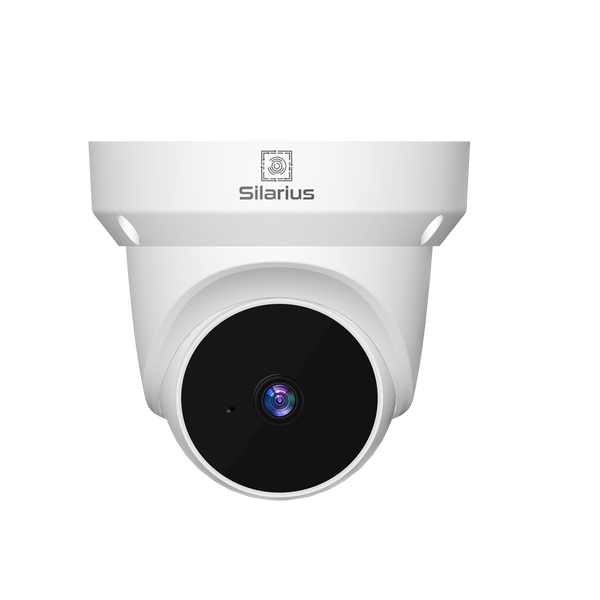
Silarius engineers its surveillance systems around enterprise-grade hardware built for verified, regulated deployments — from Silarius Pro Series cameras to AI-capable NVRs with on-device analytics. Our engineers design end-to-end systems that pair the right camera hardware with properly calibrated analytics, ensuring the AI receives the clean, high-quality data it needs to perform accurately from day one.
Our Silarius Cloud Video Service adds a managed intelligence layer on top of your physical infrastructure — providing centralized alert management, audit-ready event logging, and remote monitoring capabilities that modern AI surveillance deployments require. Whether you are deploying AI cameras at a single facility or across a multi-site enterprise, we ensure your system meets operational performance standards and the compliance requirements that matter to your industry. See AI Analytics for Cloud Surveillance for the specific detection capabilities this adds on top of your cameras, or browse our AI-enabled NVR line for on-premise recording with built-in face recognition.
Frequently Asked Questions
Is AI surveillance classified as high-risk under the EU AI Act?
Yes. The EU AI Act classifies AI used for real-time remote biometric identification in publicly accessible spaces as high-risk (Annex III), requiring strict accuracy, human oversight, transparency, and documentation standards. Post-event biometric analysis by law enforcement also falls under high-risk classifications.
Do US businesses need to comply with the EU AI Act?
Any organization that processes data of EU residents — or sells AI-enabled products into the EU market — must comply regardless of headquarters location. Beyond direct legal exposure, EU AI Act standards are increasingly cited in US government and enterprise procurement specifications.
What is an acceptable false alarm rate for AI surveillance?
Industry best practice targets false alarm rates below 5% for perimeter and intrusion detection. Rates above 10–15% typically cause alert fatigue and undermine the security program's value. Always request real-world performance data from reference deployments, not controlled-environment results.
The Bottom Line: Trust Is Now a Specification
In 2026, trustworthiness — measured in accuracy rates, data quality, transparency, and regulatory compliance — is a specification that belongs in every security system design brief alongside resolution, frame rate, and storage capacity. The era of deploying AI surveillance simply because it is available is over.
Whether you are building new surveillance infrastructure or auditing your existing AI deployments, Silarius has the expertise and vendor partnerships to ensure your system meets the standard. Contact our team today to schedule a consultation and learn how to deploy AI surveillance you can actually trust.