NDAA-Compliant Security Cameras: The 2026 Compliance Guide
If your organization works with the federal government—or is even considering it—your surveillance infrastructure may be putting your contracts at risk. The National Defense Authorization Act (NDAA) Section 889 prohibits the use of telecommunications and video surveillance equipment from specific Chinese manufacturers in any facility that touches federal funding or contracts. In 2026, enforcement scrutiny has intensified, and organizations that haven't audited their camera systems are increasingly exposed.
This guide breaks down exactly what Section 889 requires, which manufacturers are banned, and how to build a fully compliant, enterprise-grade surveillance system that keeps your contracts—and your facility—safe.
What Is NDAA Section 889?
Section 889 of the National Defense Authorization Act was signed into law in 2019 and took full effect for federal contractors in August 2020. It prohibits the federal government and any entity receiving federal funding from procuring or using telecommunications or video surveillance equipment produced by a list of named Chinese companies.
Which Brands Are Banned?
Section 889 names five specific Chinese manufacturers—along with any subsidiaries or affiliates of those companies—whose telecommunications and video surveillance equipment is banned outright. Because the two largest named manufacturers together account for a massive share of the global IP camera market, a significant number of organizations unknowingly have non-compliant equipment installed today, often under OEM or white-label brand names.
Who Must Comply?
Compliance is required for federal agencies, federal contractors and subcontractors, state and local government entities receiving federal grants, healthcare facilities accepting Medicare or Medicaid reimbursements, and any private organization with federal facility access or contract obligations. The penalties for non-compliance can include contract termination, debarment from future federal work, and significant financial liability.
Why 2026 Is the Year to Act
While the law has been on the books for several years, 2026 has brought a new wave of enforcement. Federal procurement auditors are now actively reviewing installed equipment lists during contract renewals, and new guidance from the Office of Management and Budget has clarified that the prohibition extends to equipment used in any covered space—not just equipment purchased with federal dollars. Organizations that bought non-compliant cameras with their own funds and installed them in federally contracted areas are still in violation.
Additionally, the rapid expansion of cloud-connected surveillance systems means that non-compliant cameras can introduce cybersecurity vulnerabilities that go beyond legal risk—creating potential data exfiltration pathways that federal security reviewers are now flagging in facility audits. For a closer look at the FCC's 2026 enforcement expansion and what it means beyond federal contractors, see our post on the 2026 Chinese camera ban.
Building a Fully NDAA-Compliant Surveillance System
Replacing non-compliant cameras does not have to mean sacrificing performance. Modern NDAA-compliant IP cameras offer resolutions up to 4K, advanced AI analytics, wide dynamic range, and robust low-light performance that rivals or exceeds the banned alternatives. The key is choosing hardware that is manufactured entirely outside the restricted supply chain—with documentation to prove it.
Compliant IP Cameras and NVRs
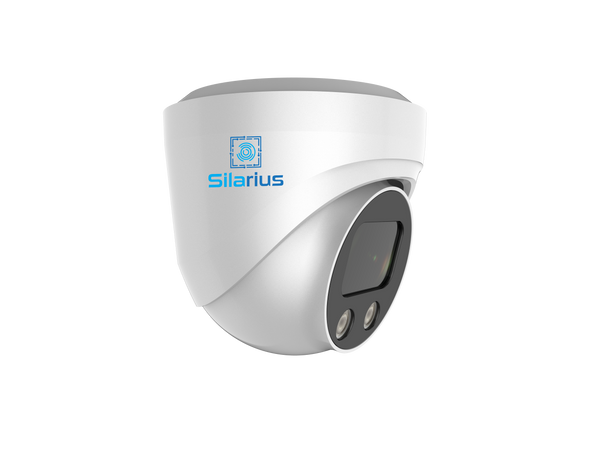
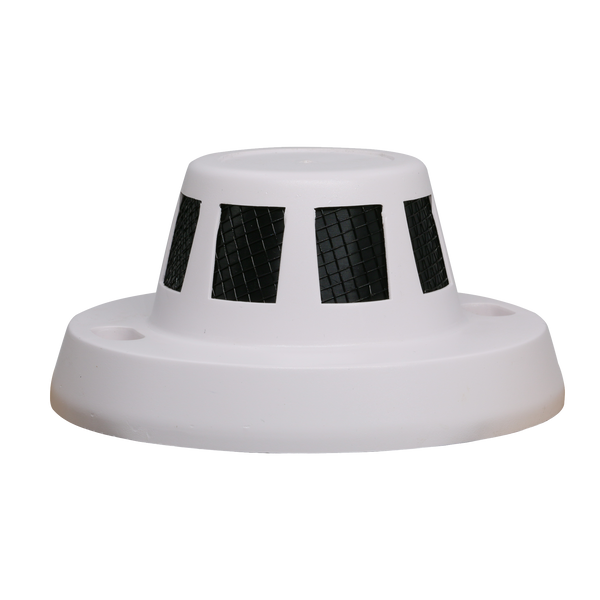
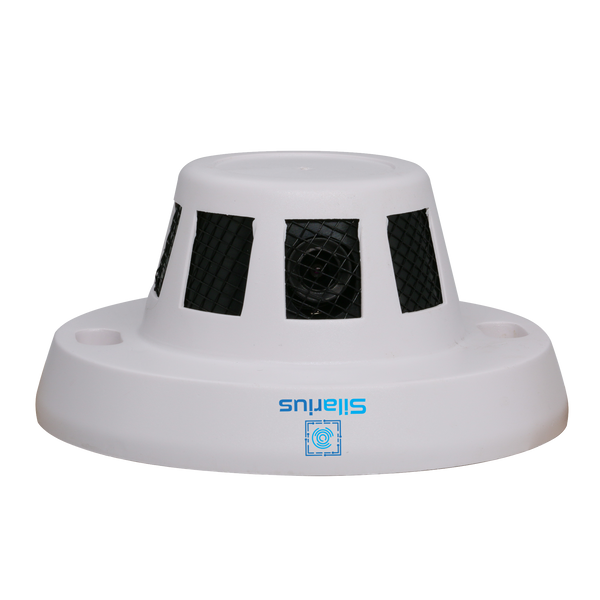
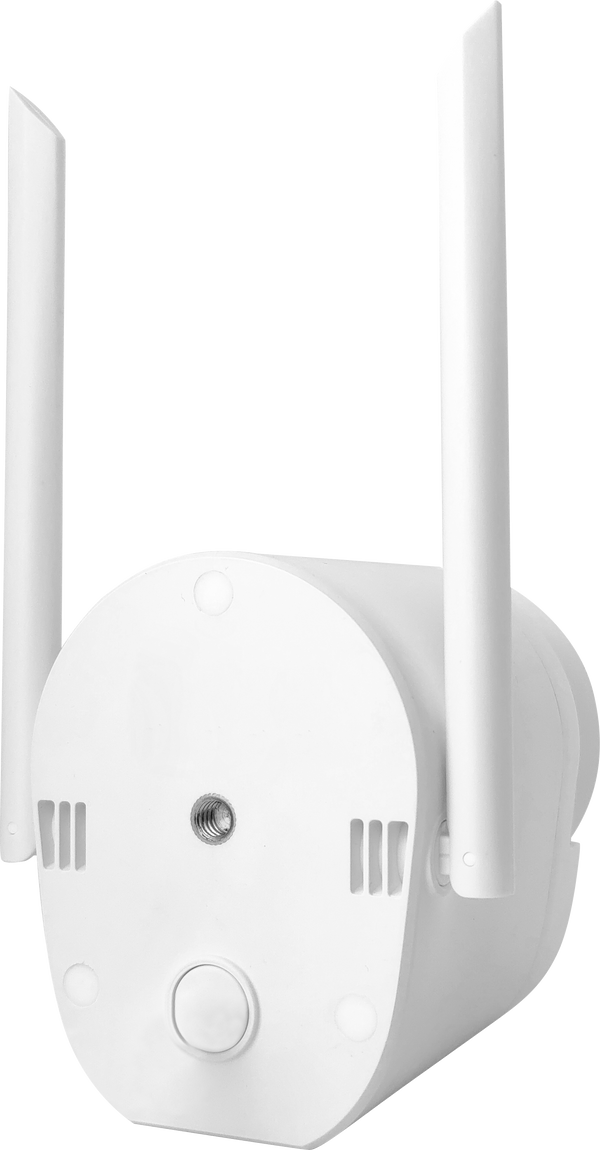
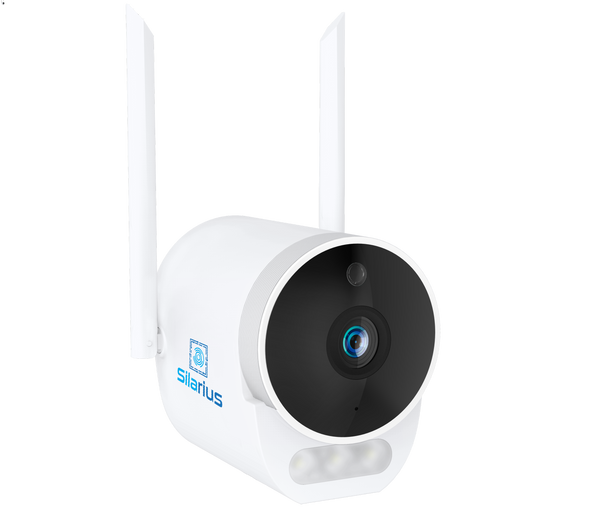
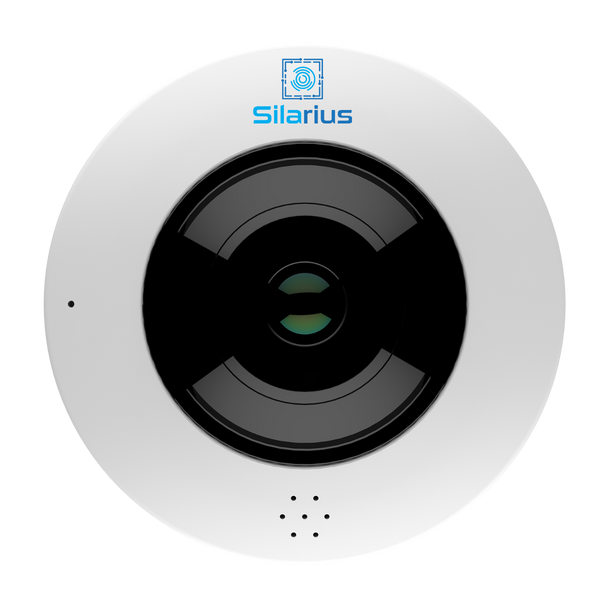
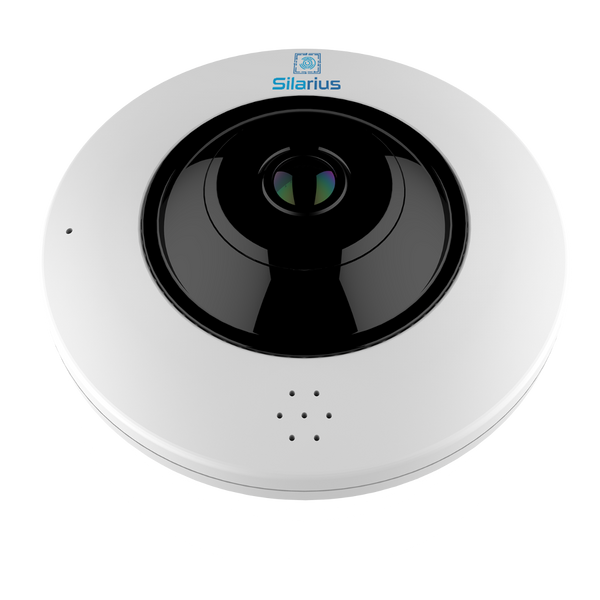
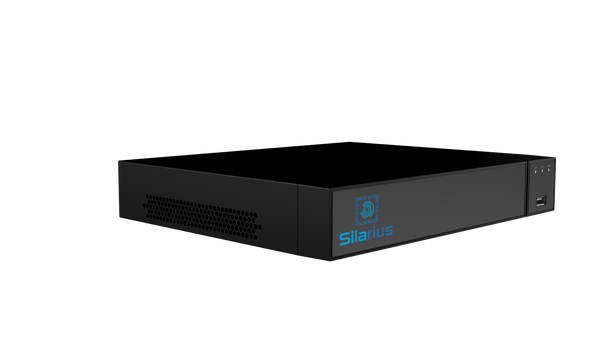
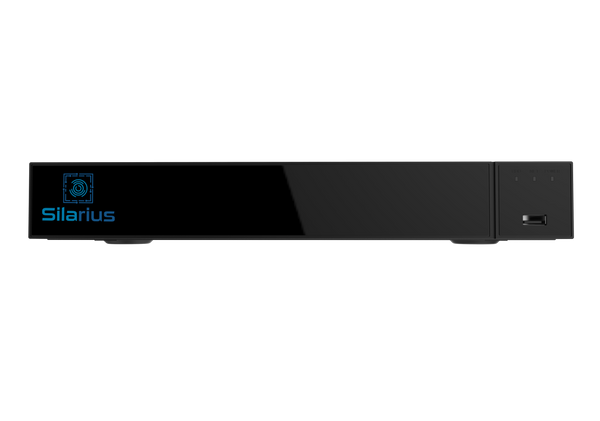
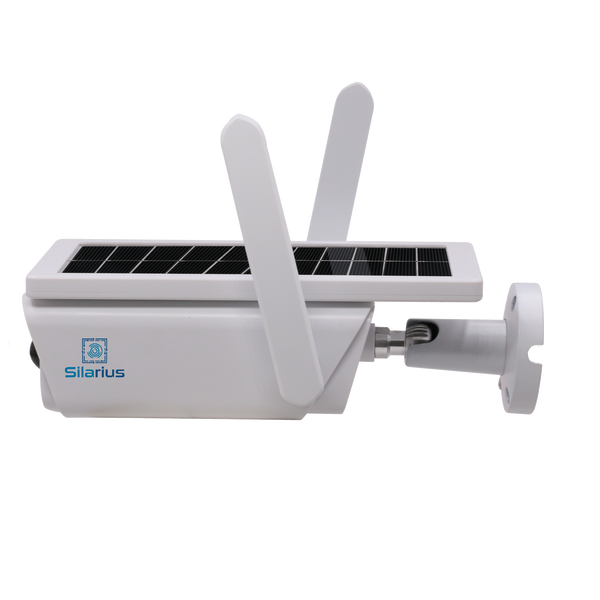
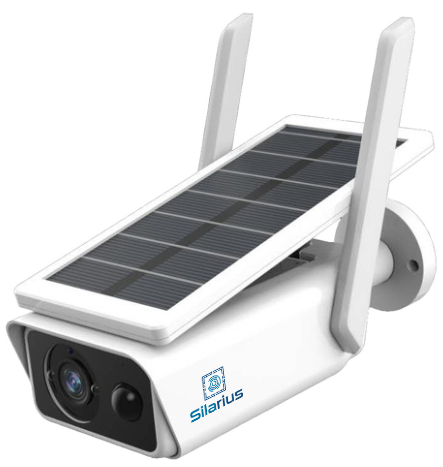
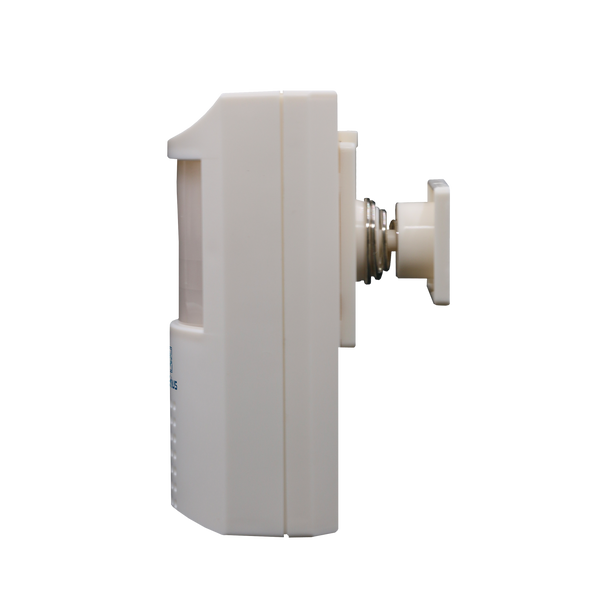
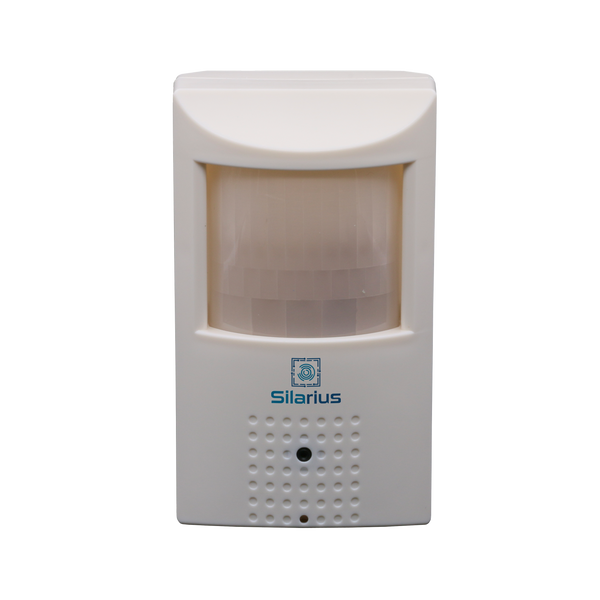
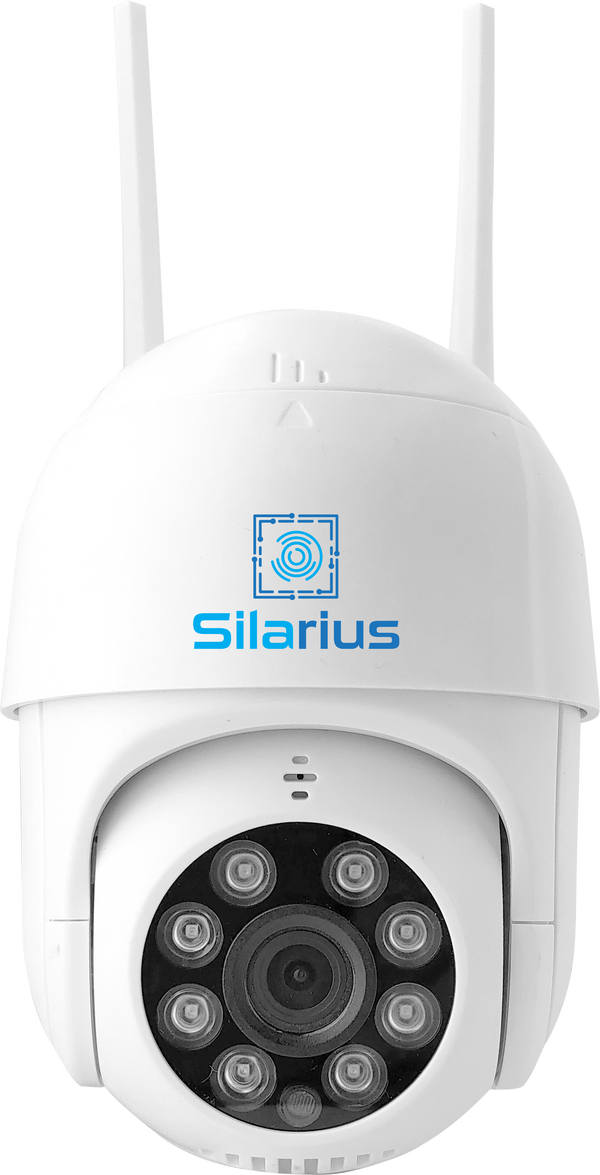
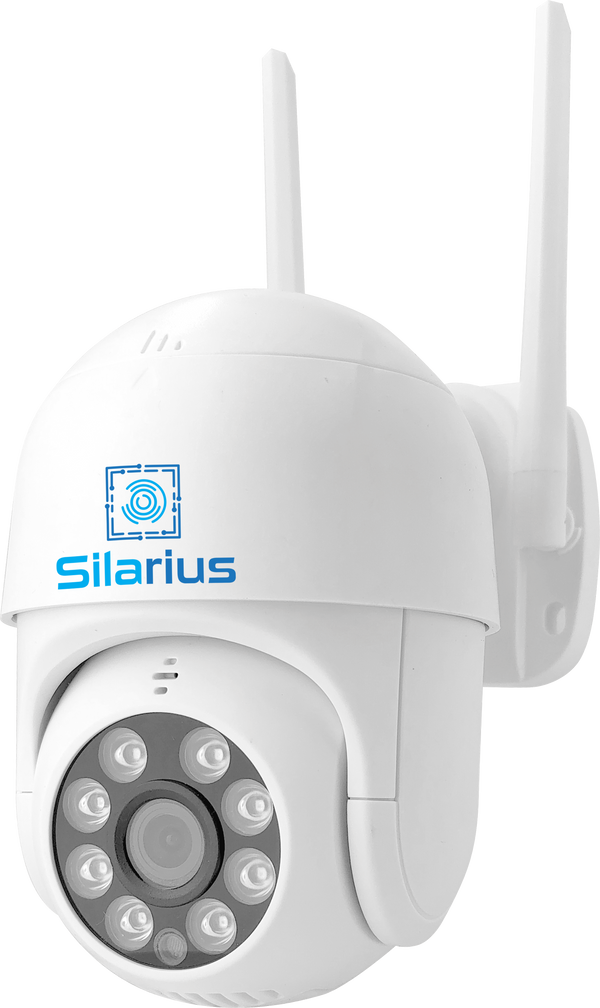
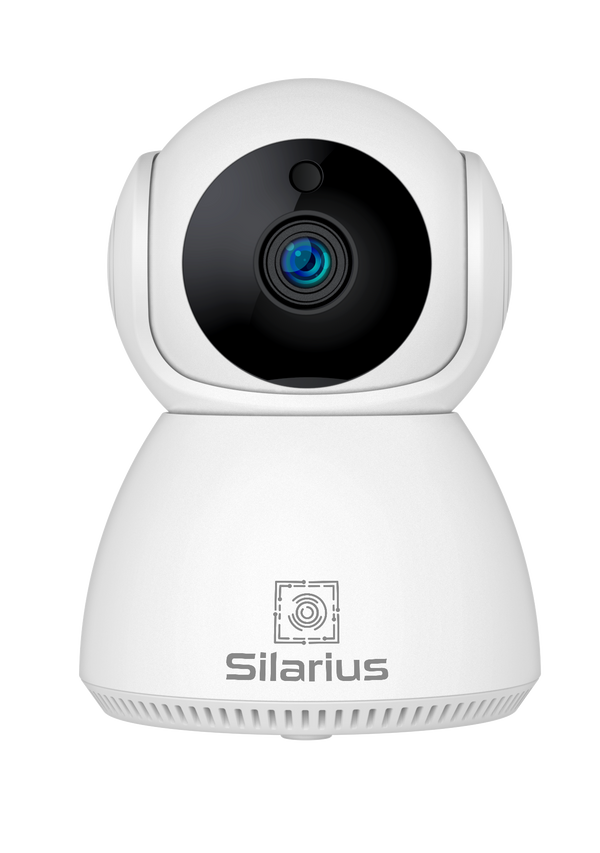
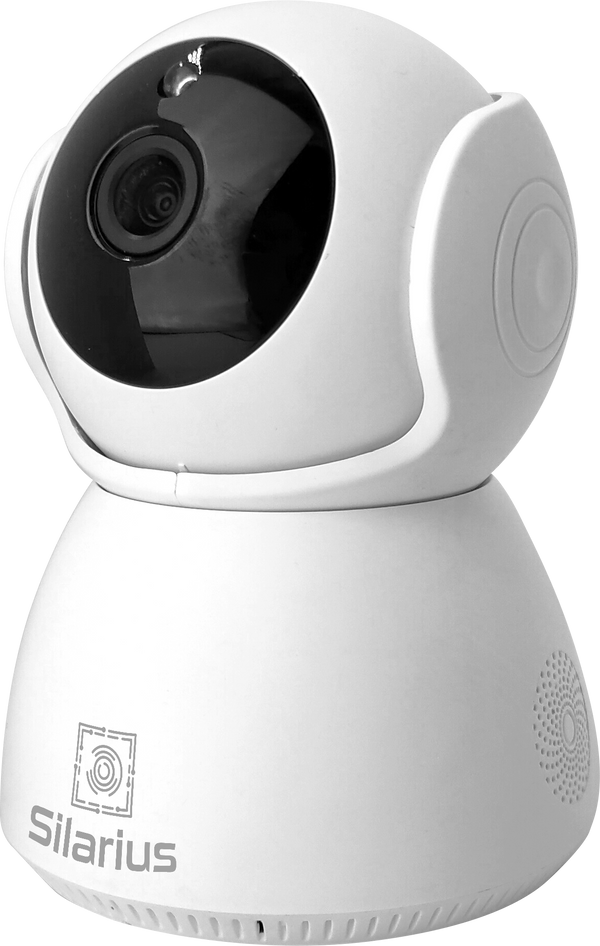
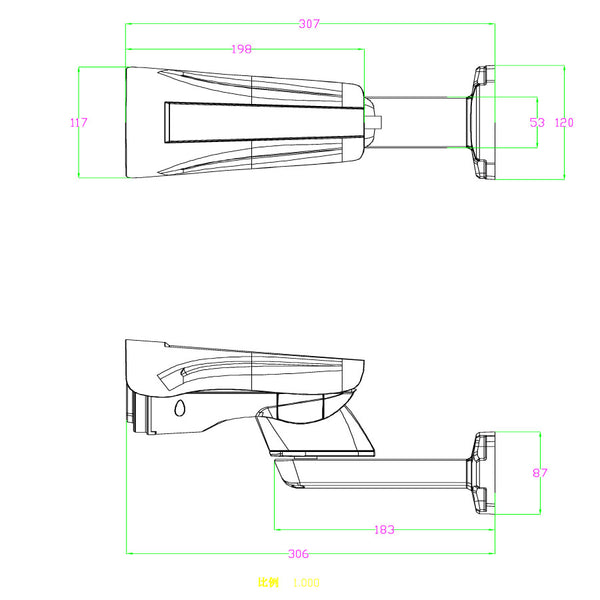
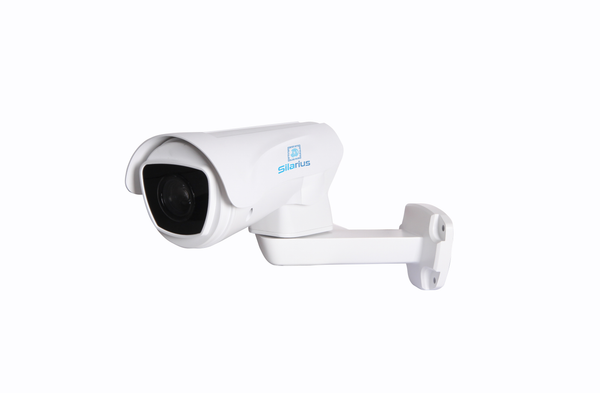
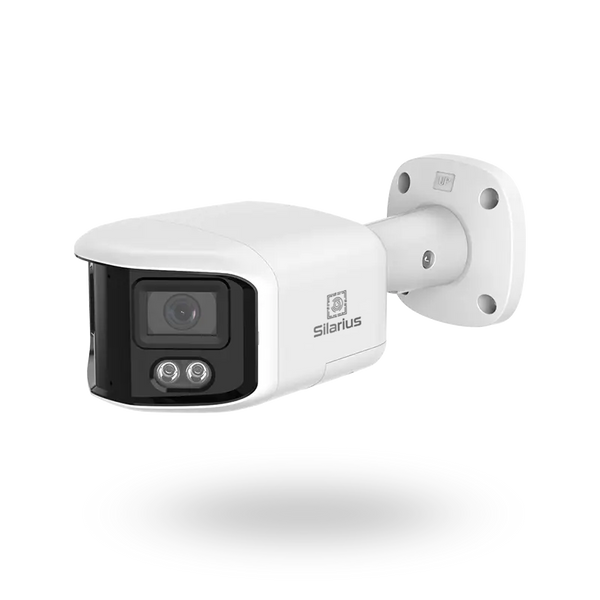
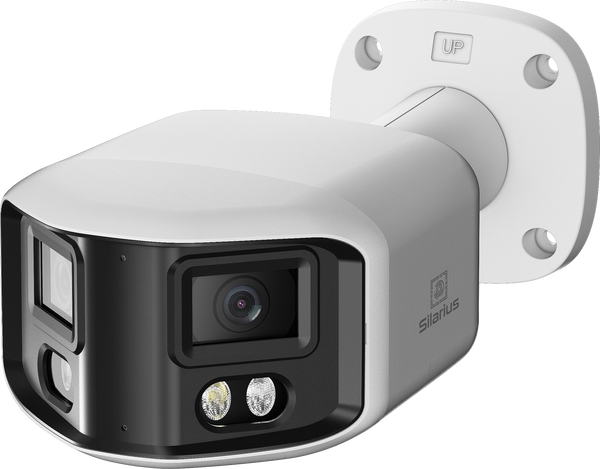
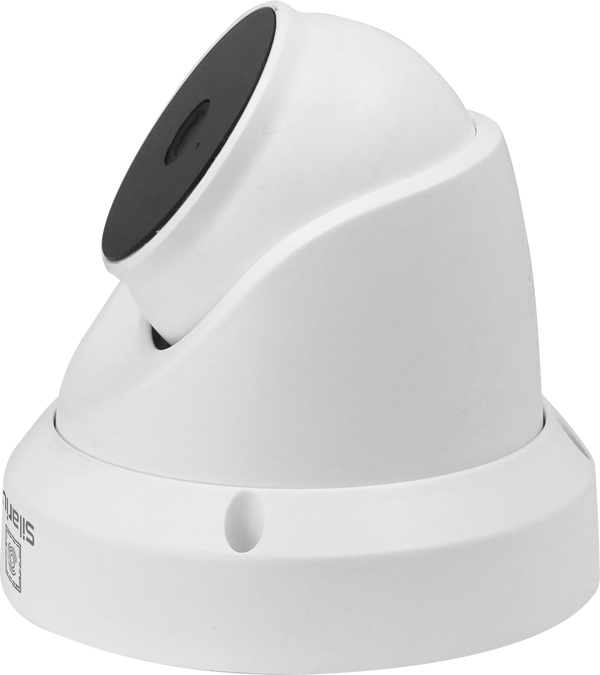
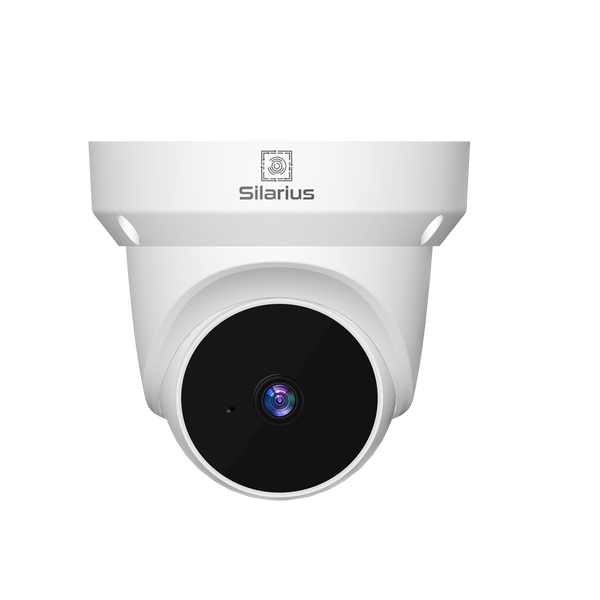
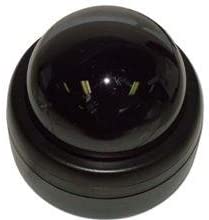
Silarius carries a curated lineup of NDAA-compliant IP cameras and NVR systems engineered for demanding commercial and government environments. Our cameras deliver full 4K resolution, built-in AI motion detection, PoE compatibility, and ONVIF compliance—allowing seamless integration with existing infrastructure. Browse the Silarius product catalog to explore compliant options across every camera form factor, from bullet and dome to PTZ and fisheye.
PoE Switches and Network Infrastructure
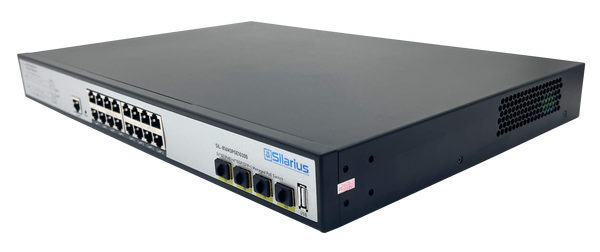
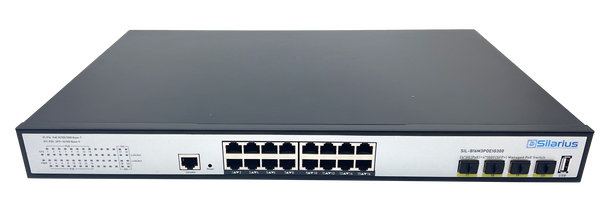
NDAA compliance extends beyond the camera itself—it also applies to the network switches and telecommunications equipment powering your system. Silarius stocks a full range of NDAA-compliant PoE switches and network infrastructure components, ensuring your entire stack from the edge device to the recorder stays within the bounds of Section 889.
Cloud Video Surveillance (VSaaS)
For organizations that want to eliminate on-premises NVR hardware entirely, the Silarius Cloud Video Service provides a fully managed, cloud-native video surveillance solution. Video is stored securely in U.S.-based cloud infrastructure, and all connected camera hardware is NDAA-compliant. Remote access, multi-site management, and AI-powered video search are built in—giving security teams enterprise-grade visibility without the maintenance burden of local servers.
How to Audit Your Existing System
If you are unsure whether your current surveillance system is compliant, follow these steps:
1. Inventory all installed cameras and network equipment. Document the make, model, and manufacturer of every device. Pay close attention to OEM and white-label products—many are rebadged hardware from a named manufacturer that does not carry that brand name on the housing.
2. Check supply chain documentation. NDAA compliance requires not just that the brand is not on the banned list, but that the components themselves are not manufactured by restricted entities. Request a supply chain attestation or Bill of Materials (BOM) from your vendor.
3. Identify your covered spaces. Map which areas of your facility are subject to federal contracts or funding, and prioritize replacing non-compliant equipment in those zones first.
4. Plan a phased replacement. Work with a qualified security integrator to develop a compliant replacement roadmap. Silarius can support full system design, hardware procurement, and integration services for organizations of any size.
The Bottom Line
NDAA Section 889 compliance is no longer optional for organizations with any federal exposure—and the definition of federal exposure continues to broaden. The good news is that compliant hardware available in 2026 is better than ever: higher resolution, smarter AI analytics, lower power consumption, and easier cloud integration. This is an ideal moment to modernize your surveillance infrastructure while simultaneously eliminating legal and cybersecurity risk.
Silarius is here to help you every step of the way—from initial audit support to full system deployment. Contact the Silarius team today to discuss your compliance requirements, get a product recommendation, or request a quote for a complete NDAA-compliant surveillance upgrade.