IP Security Camera Buying Guide: How to Choose the Right Surveillance Camera
IP Security Camera Buying Guide: How to Choose the Right Surveillance Camera
With hundreds of IP security cameras on the market, choosing the right one for your project is more complicated than it looks. Resolution, lens type, night vision, weather rating, power method, analytics, and compliance requirements all need to match your environment and objectives.
This guide walks through every major specification you need to understand before you buy.
Step 1: Define Your Surveillance Objective
Before looking at camera specs, define what you need to capture:
- License plate capture — requires a long focal length (varifocal or fixed telephoto), narrow field of view, and IR illumination tuned for retroreflective plates
- Face identification — requires high resolution (4MP+) and a field of view narrow enough to capture facial detail at the distances involved
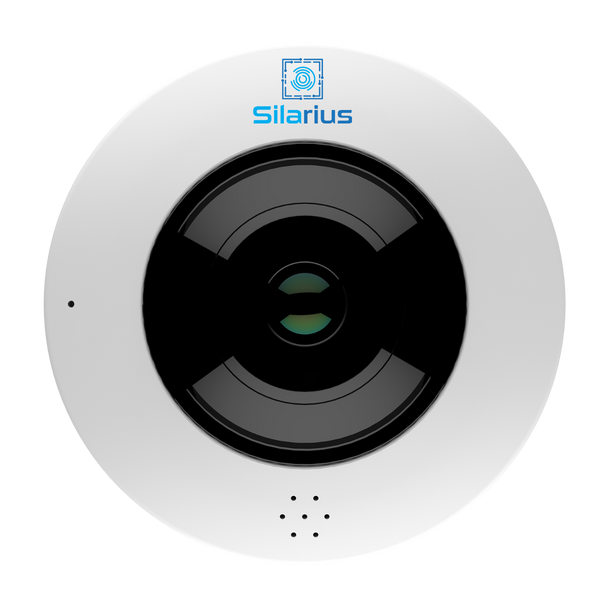
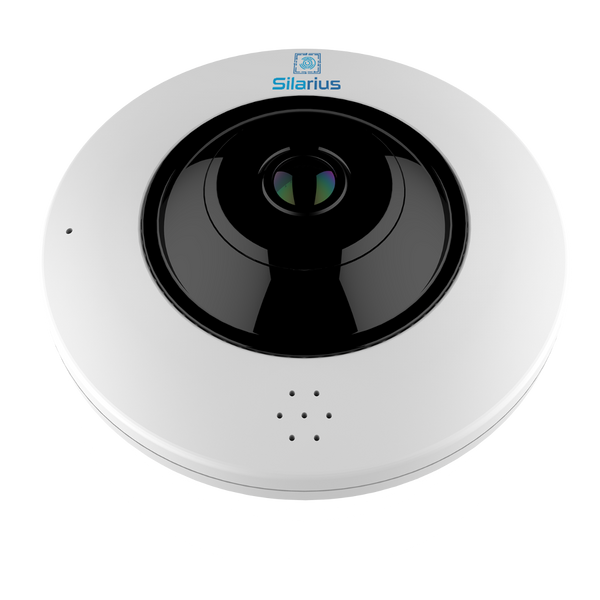
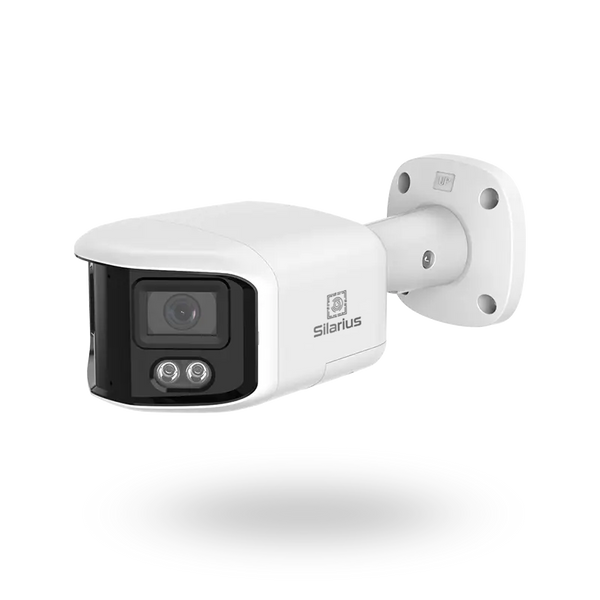
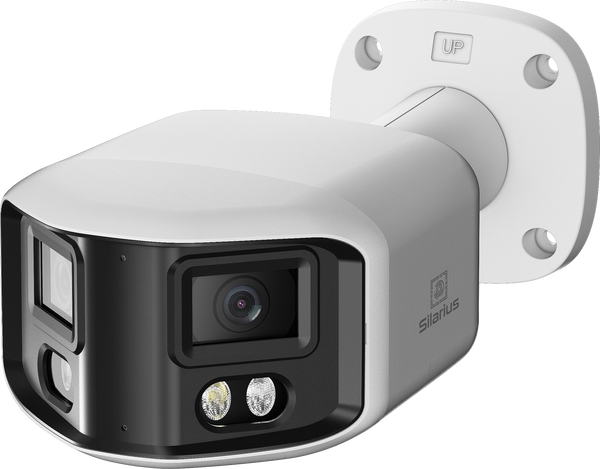
- Wide area coverage — wide-angle lens, fisheye, or multi-imager panoramic camera
- Perimeter intrusion detection — AI-powered camera with line crossing and intrusion zone analytics, or thermal camera for fog/rain/nighttime
- General deterrence and incident documentation — standard resolution (2–4MP) with good low-light performance
Step 2: Choose the Right Camera Resolution
| Resolution | Megapixels | Best For |
|---|---|---|
| 1080p (FHD) | 2MP | General indoor/outdoor, cost-sensitive installs |
| 4MP | 4MP | Balanced detail and bandwidth, most versatile |
| 4K (UHD) | 8MP | Large areas, license plates, face detail |
| 12MP+ | 12–32MP | Wide panoramic coverage, digital PTZ |
Higher resolution is not always better. More megapixels mean more storage and bandwidth. A 4MP camera with excellent low-light performance will outperform an 8MP camera in dark environments. Match resolution to the actual identification requirement at the required distance.
Step 3: Select the Right Lens and Field of View
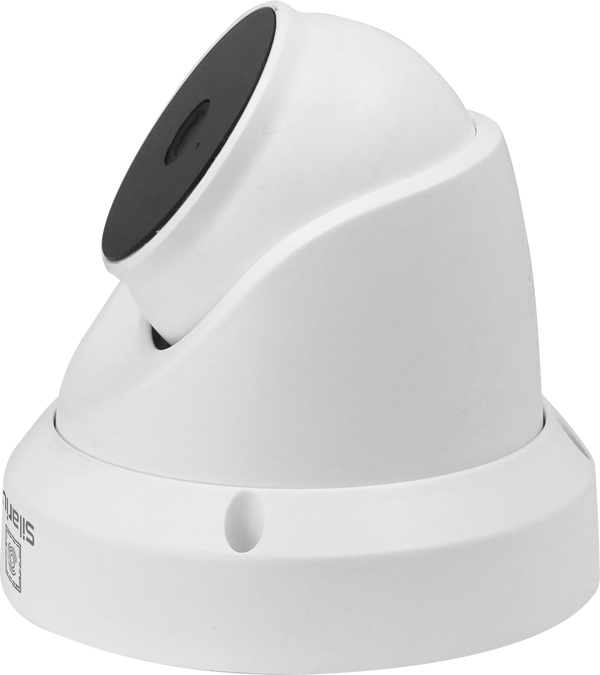
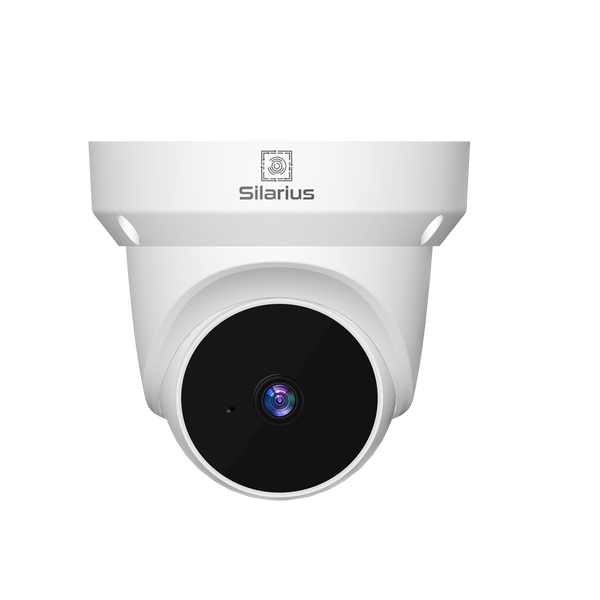
Fixed Lens
Fixed focal length lenses are the most common. A 2.8mm lens provides a very wide field of view (100–110 degrees) for close-range coverage. A 6mm lens is more standard for outdoor use. 12mm and longer focal lengths suit license plate cameras and long corridors.
Varifocal Lens
Varifocal lenses (typically 2.8–12mm or 4–16mm) allow the installer to adjust the field of view after installation. This is useful when you are not sure of the exact mounting position or need to fine-tune coverage after the camera is up. Most commercial cameras now feature motorized varifocal lenses controllable from the VMS or NVR.
PTZ (Pan-Tilt-Zoom)
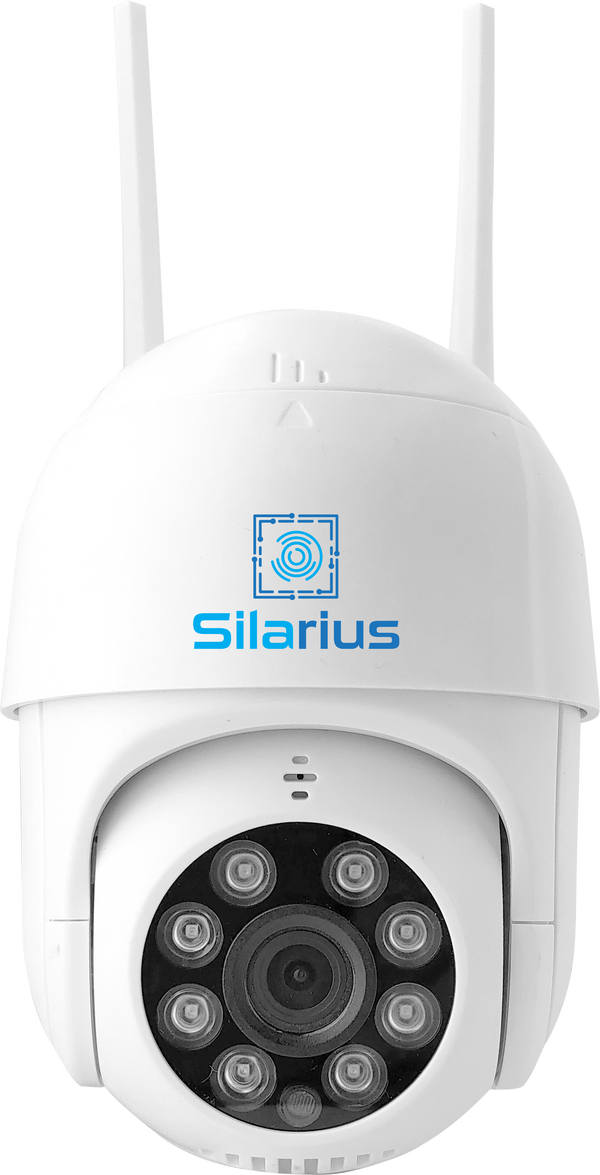
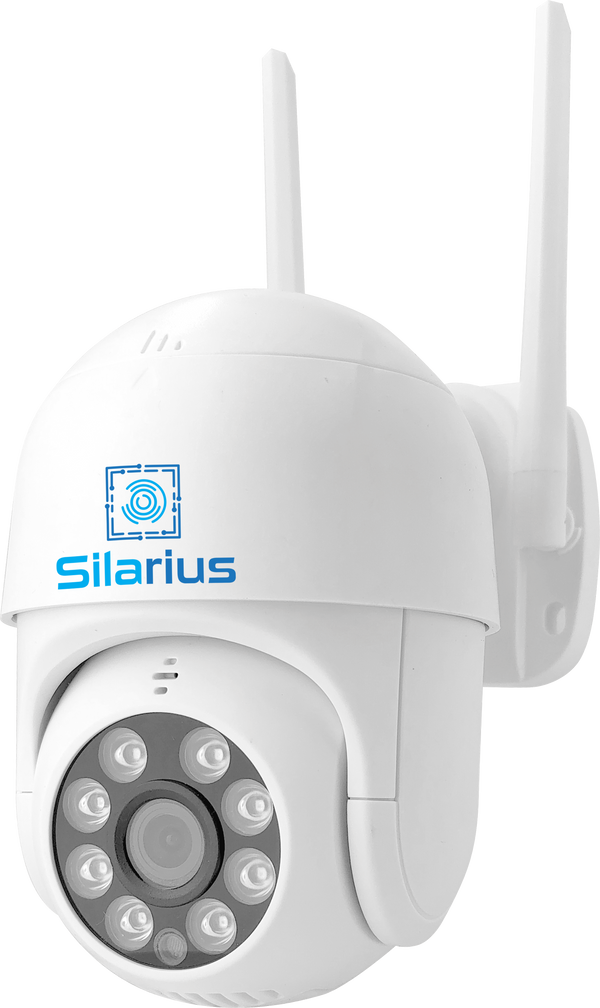
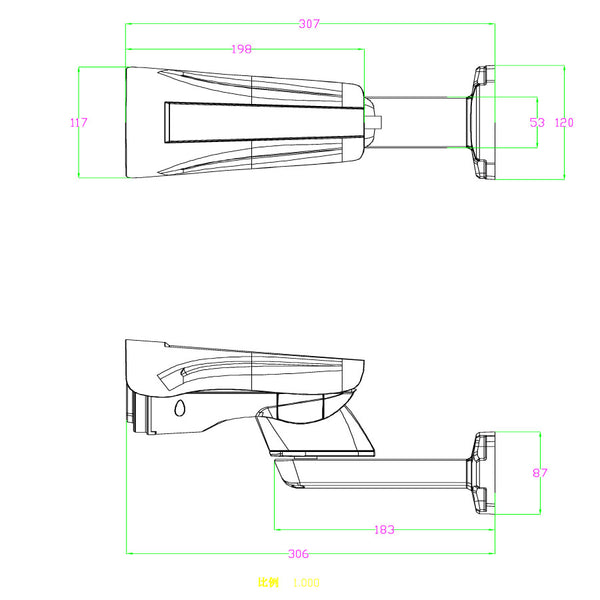
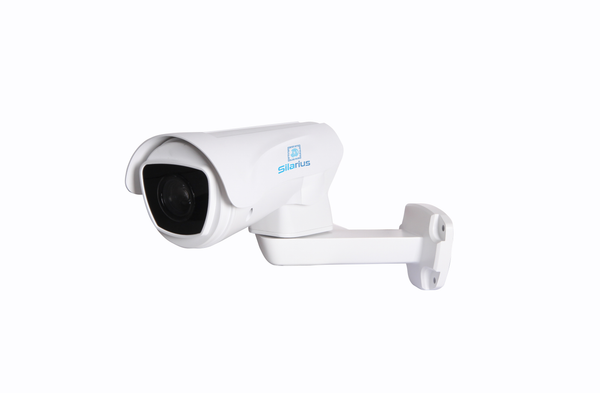
PTZ cameras provide active coverage across a wide area with optical zoom for detail. Ideal for parking lots, perimeters, and large open areas where an operator monitors the space in real time. PTZ cameras are more expensive and require ongoing management; they should complement, not replace, fixed cameras.
Step 4: Evaluate Low-Light and Night Vision Performance
IR Night Vision
Most IP cameras include built-in infrared LEDs that illuminate the scene in near-total darkness. IR range varies from 30 feet on budget cameras to 300+ feet on high-performance models. IR is effective but produces a monochrome image at night.
Color Night Vision / Starlight
Starlight and low-light color cameras use larger image sensors and wider aperture lenses (f/1.0–f/1.6) to produce full-color images in near-darkness. These cameras significantly improve identification quality at night compared to IR-only cameras.
White Light / Integrated Spotlight
Some cameras include a white-light LED that activates on motion, providing full-color illumination and acting as a deterrent. Best for entry points, parking lot entrances, and high-value areas.
Thermal Cameras
Thermal cameras detect heat signatures rather than visible light. They are unaffected by darkness, fog, glare, or camouflage. Best for perimeter protection, large outdoor areas, and critical infrastructure where reliable detection matters more than image detail.
Step 5: Match the Camera to the Environment
IP (Ingress Protection) Rating
| IP Rating | Meaning | Use Case |
|---|---|---|
| IP65 | Dust-tight, water jet resistant | Outdoor, protected locations |
| IP66 | Dust-tight, powerful water jet resistant | Exposed outdoor, harsh rain |
| IP67 | Dust-tight, short-term immersion | Areas prone to flooding |
| IP68 | Dust-tight, continuous immersion | Underwater, marine applications |
IK Impact Rating
IK10 is the highest impact resistance rating (50 joules), required for areas where vandalism is a risk. Most standard cameras are unrated or IK08. Specify IK10 for exposed outdoor locations in high-crime areas.
Operating Temperature
Cameras rated for -40°F to +140°F cover most North American climates. For extreme cold environments (northern states, Canada), verify the minimum startup temperature. Some cameras require a heating element for reliable startup at -40°F.
Step 6: Choose a Power Method
PoE (Power over Ethernet)
Power over Ethernet runs both power and video over a single CAT5e or CAT6 cable from a PoE switch or NVR with built-in PoE. PoE is the standard method for IP camera installations — it simplifies wiring and allows the camera to be rebooted remotely by cycling the PoE port.
- PoE (802.3af): Up to 15.4W — sufficient for most standard cameras
- PoE+ (802.3at): Up to 30W — required for PTZ cameras, heated cameras, cameras with built-in spotlights
- PoE++ (802.3bt): Up to 90W — for high-power PTZ and multi-imager cameras
12V DC or 24V AC
Analog-style power delivery using dedicated power cables. Less common in modern IP installations but still used for long cable runs where PoE distance limits (328 feet) are a constraint.
Step 7: Evaluate AI Analytics
Modern IP cameras increasingly include onboard AI analytics that run directly on the camera edge:
- Motion detection — basic pixel-change detection; available on virtually all cameras
- Person/vehicle detection — distinguishes people and vehicles from animals and environmental motion to reduce false alarms
- Line crossing and intrusion zones — triggers an alert when a person or vehicle crosses a defined virtual boundary
- License plate recognition (LPR) — reads and logs license plate numbers for access control and forensics
- Face detection and recognition — identifies faces; enterprise applications require VMS integration
- People counting and heatmaps — counts occupancy and maps traffic patterns in retail and public spaces
Edge analytics reduce bandwidth and storage requirements significantly compared to server-side analytics, since the camera only sends video when an event occurs rather than continuously.
Step 8: Consider NDAA Section 889 and TAA Compliance
If your installation involves federal government facilities, government contractors, or organizations that receive federal funding, your cameras must comply with NDAA Section 889. This law prohibits equipment from Hikvision, Dahua, Huawei, ZTE, and Hytera — and their subsidiaries and OEM products.
TAA (Trade Agreements Act) compliance is separately required for many federal purchases, specifying that products must be manufactured in TAA-designated countries (not China).
NDAA-compliant brands available at Silarius include: Axis Communications, Hanwha Vision, Vivotek, Avigilon, and the Silarius Pro Series.
Quick Reference: Camera Type by Application
| Application | Camera Type | Key Specs |
|---|---|---|
| Building entrance | Fixed dome or bullet, 4MP | Wide angle, color night vision |
| Parking lot | PTZ or multi-imager panoramic | 120–270 degree coverage, IR 100ft+ |
| License plates | LPR dedicated or varifocal bullet | Narrow FOV, IR optimized for plates |
| Server room / vault | Fixed mini dome, 2–4MP | Wide angle, no IR spill, tamper detect |
| Perimeter fence line | Thermal + visible combo | Thermal detection, visible for verification |
| Retail / loss prevention | Fisheye or fixed dome, 4–8MP | 360° coverage, heatmap analytics |
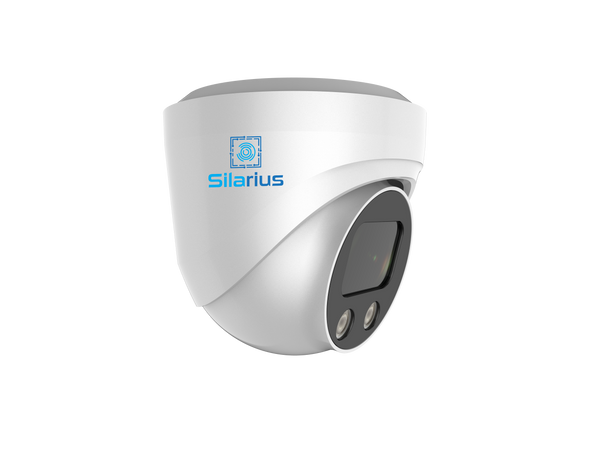
| Government facility | Axis, Hanwha, Silarius Pro Series | NDAA + TAA compliant, cybersecurity hardened |
Need Help Specifying the Right Camera?
Silarius engineers can design a complete camera specification based on your site plan, coverage objectives, and compliance requirements. Contact us for a free security camera consultation or to request a quote on NDAA-compliant surveillance systems.